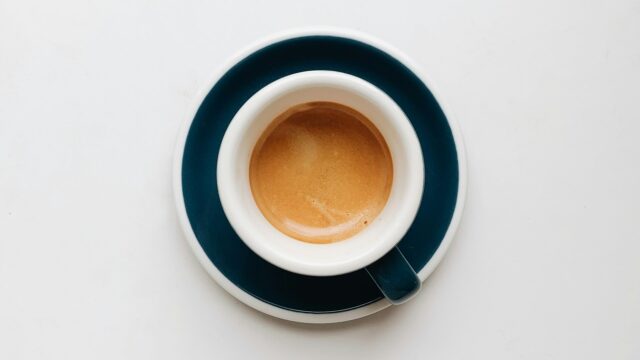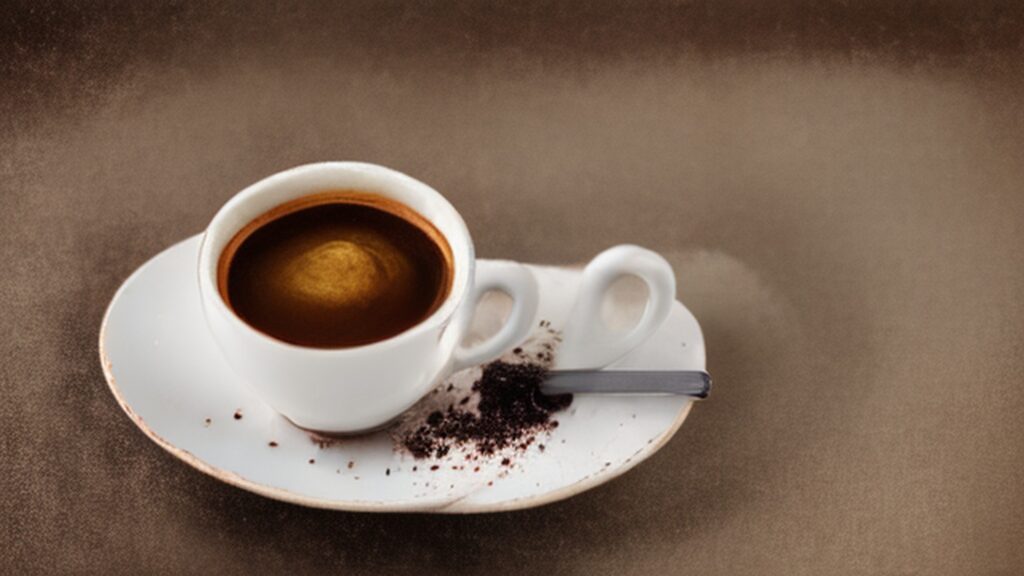
A macchiato is one of the most misunderstood drinks in coffee. Walk into a traditional Italian café and order a macchiato and you get a 2 oz shot of espresso “stained” with the smallest amount of milk foam. Order one at most American chain coffee shops and you get a tall, sweetened, layered milk drink. Both are called macchiatos — only one is what Italians intended.
This guide explains exactly what a macchiato is, the critical difference between an espresso macchiato and a latte macchiato, how each compares to cappuccinos and lattes, caffeine counts, and step-by-step recipes for making both at home.
What does “macchiato” mean?
Macchiato comes from the Italian verb macchiare, meaning “to stain” or “to mark.” An espresso macchiato is espresso that has been stained with a small spot of milk foam — a minimal intervention designed to soften the edge of a straight shot without turning it into a milk drink. The entire concept is restraint: a dot of foam, nothing more.
Espresso macchiato: the original Italian drink
The classic macchiato — officially called caffè macchiato — is a single or double espresso shot topped with approximately one teaspoon of dense milk foam. Total volume: 2–3 oz. It arrives in a small demitasse cup and looks almost identical to a plain espresso, except for a white dot of foam in the center.
The flavor is intensely coffee-forward. The foam softens the acidity and sharpness of the espresso without adding sweetness or diluting the concentration. It is drunk in one or two sips, usually without sugar, and traditionally at the bar — Italian espresso culture treats it as a quick shot, not a sit-down drink.
Order this when you want an espresso but find straight shots slightly too harsh. The foam bridge makes all the difference.
Latte macchiato: when milk takes center stage
The latte macchiato inverts the concept entirely. Now the milk is stained by espresso — not the other way around. A tall glass of steamed milk is “marked” by pouring a shot of espresso through the center, which sinks through the foam and settles in the middle, creating three visible layers: foam on top, espresso in the center, and steamed milk below.
The result is a large (8–12 oz), mild, and milky drink. The espresso flavor is muted by the volume of milk, and the visual layering is the main event. It drinks more like a latte than an espresso drink. The latte macchiato became the template for chain coffee shop “macchiatos,” which is how an Italian word for “stained” came to mean “sweet vanilla caramel drink” in the US.
Espresso macchiato vs latte macchiato: the key differences
| Feature | Espresso Macchiato | Latte Macchiato |
|---|---|---|
| Volume | 2–3 oz | 8–12 oz |
| Coffee ratio | ~90% espresso | ~20% espresso |
| Flavor | Intense, coffee-forward | Mild, milky, smooth |
| Cup | Demitasse (small) | Tall glass |
| Caffeine (double) | ~126 mg | ~126 mg |
| Calories | ~15 kcal | ~120–150 kcal |
Macchiato vs latte: the critical distinction
A latte and a latte macchiato share similar ingredients but differ in preparation. In a latte, espresso goes in first and milk is poured over it — the two mix thoroughly. In a latte macchiato, milk goes in first and espresso is poured into it — the goal is visible layers, not integration. The latte macchiato is slightly milder because the espresso hits cooler milk foam as it sinks. If you can’t decide, try our latte guide alongside this recipe and compare.
Macchiato vs cappuccino
A cappuccino sits between the espresso macchiato and the latte on the strength spectrum: roughly equal thirds espresso, steamed milk, and foam in a 6 oz cup. More milk, more foam, more volume than a macchiato — but drier and stronger than a latte. The foam in a cappuccino is airier; the dot on a macchiato is denser. Our cappuccino guide has the full breakdown.
What about the Starbucks macchiato?
The Starbucks Caramel Macchiato is vanilla syrup + steamed milk + espresso shots poured over the top + caramel drizzle. It borrows the “marked milk” concept from the latte macchiato but adds sweeteners and runs 12–24 oz — a completely different category of drink from the Italian original. Neither is wrong; just know which one you’re actually ordering.
Macchiato caffeine and calories
Because an espresso macchiato is mostly espresso with barely any milk, it’s one of the lowest-calorie espresso drinks you can order. A double espresso macchiato: roughly 15 calories and 126 mg of caffeine. A latte macchiato (12 oz): ~120–150 calories, similar caffeine. A Starbucks Grande Caramel Macchiato: ~250 calories and added sugars from the vanilla syrup and caramel.
How to make an espresso macchiato at home
You need an espresso machine or a strong moka pot. Nothing else produces the concentrate required. See our espresso vs drip guide for why drip methods won’t work here.
- Pull a double shot — 18g of finely ground coffee, targeting 36g yield in about 27 seconds.
- Steam 2 tablespoons of milk to create dense, tight foam — not airy cappuccino foam. Keep the wand near the surface.
- Spoon one teaspoon of foam onto the center of the espresso. Done.
- Serve in a 3 oz demitasse cup. No sweetener. The restraint is the point.
How to make a latte macchiato at home
- Steam 8–10 oz of milk to 150°F, building a thick cap of microfoam on top.
- Pour into a tall glass, leaving 1.5 inches of space at the top.
- Pull a double espresso shot.
- Pour espresso slowly over a spoon held just above the milk surface — the spoon breaks the flow and helps the espresso sink through the foam to form the middle layer.
The three layers stay distinct because of density differences: espresso is denser than warm foam but settles above the heavier steamed milk below. Drink quickly before layers merge.
☕ Make a proper macchiato at home
Shop Espresso Machines on Amazon →
As an Amazon Associate, Daily Espresso earns from qualifying purchases at no extra cost to you.
Frequently Asked Questions About Macchiato
What is a macchiato?
A macchiato is an Italian espresso drink where espresso is “stained” with a small amount of milk foam. The espresso macchiato (2–3 oz) is intensely coffee-forward. The latte macchiato flips the concept — steamed milk is marked by espresso — producing a larger, milder layered drink (8–12 oz).
Is a macchiato sweet?
A traditional espresso macchiato is not sweet — it is espresso with unsweetened foam. A latte macchiato can be sweetened with syrup. Starbucks macchiatos include vanilla syrup by default and taste distinctly sweet, which is why they confuse people expecting the Italian original.
Is a macchiato stronger than a latte?
Yes. An espresso macchiato is almost entirely espresso — one of the strongest-tasting coffee drinks you can order. A latte is mostly milk, making it much milder in flavor even though both typically contain a similar number of espresso shots.
How much caffeine is in a macchiato?
An espresso macchiato made with a double shot contains roughly 126 mg of caffeine. A single-shot macchiato has about 63 mg. The milk foam adds no caffeine. See our coffee ratio guide for how extraction affects caffeine levels.
What is the difference between a macchiato and a cappuccino?
A macchiato is mostly espresso with a dot of foam (2–3 oz). A cappuccino is roughly equal thirds espresso, steamed milk, and foam in a 6 oz cup. The cappuccino is more voluminous, airier, and milkier; the macchiato keeps the emphasis firmly on the espresso.
Can I make a macchiato without an espresso machine?
A moka pot produces a concentrate close enough for an espresso macchiato. Use a fine grind, fill the basket level, and pull it off heat when it gurgles. Standard drip coffee won’t have the intensity needed — you’ll end up with watered-down coffee and foam rather than a macchiato.