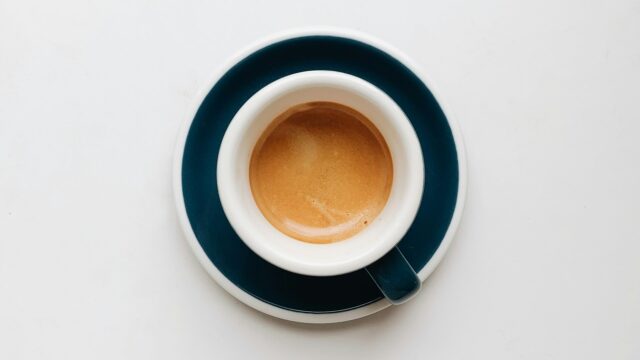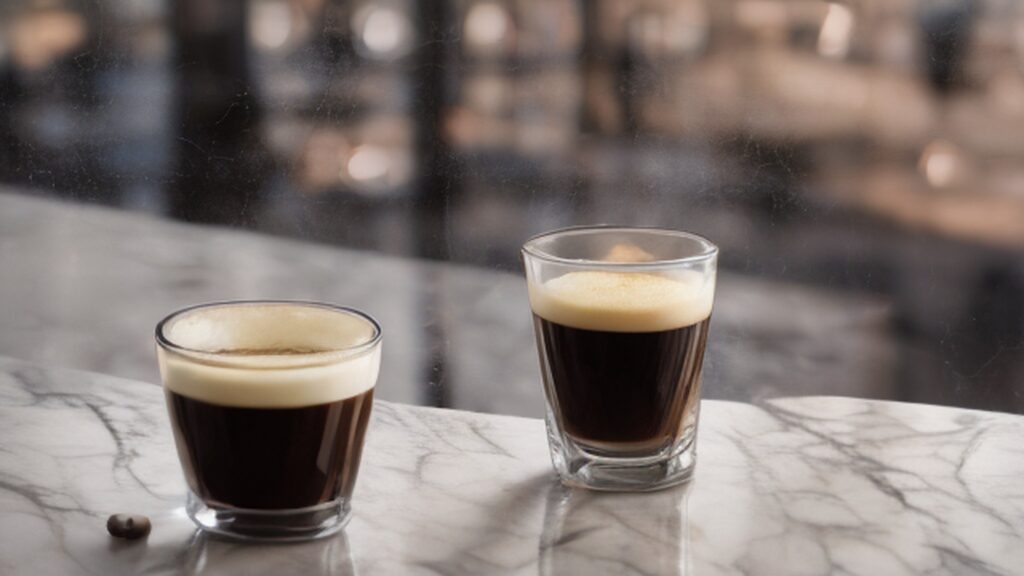
The cortado is the drink serious espresso drinkers reach for when a straight shot feels too intense but a latte feels too diluted. It’s espresso cut with an equal amount of warm milk — no foam, no frills, no sweetness — in a small glass that holds exactly what it needs to and nothing more. If you find lattes taste like warm milk with a coffee rumor, the cortado is your drink.
This guide explains what a cortado is, how it compares to macchiatos, flat whites, and cappuccinos, how to make one at home, and why the 1:1 ratio is the defining detail that makes it work.
What is a cortado?
The word cortado comes from the Spanish verb cortar — to cut. A cortado is espresso cut with an equal or near-equal amount of warm, lightly steamed milk. The standard ratio is 1:1 — two oz of espresso to two oz of warm milk — served in a small 4–5 oz glass.
The milk is warm but not heavily frothed. There is little or no foam layer. The purpose of the milk isn’t to add texture or volume — it’s to temper the acidity and intensity of the espresso without drowning the coffee flavor. In a cortado, you still taste primarily espresso. The milk makes it smooth, not creamy.
The cortado originated in Spain and became a staple of Spanish and Latin American coffee culture before the Third Wave specialty movement spread it globally. It’s a standard offering at any serious espresso bar in the US today.
Cortado vs macchiato: what’s the difference?
Both drinks soften espresso with a small amount of milk, but they do it in fundamentally different ways:
- Espresso macchiato: ~2–3 oz total. Mostly espresso, topped with a teaspoon of dense foam. The milk sits on top — it doesn’t integrate with the espresso.
- Cortado: 4–5 oz total. Equal parts espresso and warm milk, combined in the glass. The milk integrates with the espresso rather than floating on top of it.
The macchiato barely modifies the espresso; the cortado genuinely balances it. If the macchiato is a dot of foam, the cortado is a blend. See our macchiato guide for the complete side-by-side comparison.
Cortado vs flat white: the subtle distinction
The flat white and cortado are close relatives, and many cafés use the terms interchangeably. The traditional differences:
- Cortado (Spanish): 1:1 espresso to milk. 4 oz total. Minimal or no foam. Served in a small glass.
- Flat white (Australian/New Zealand): 1:2 to 1:2.5 espresso to milk. 5–6 oz total. Thin defined layer of microfoam that enables latte art. Served in a ceramic cup.
The flat white is slightly larger and milkier. The cortado is tighter and more espresso-forward. In practice, at many US cafés, a cortado ordered in a Gibraltar glass and a flat white ordered in a ceramic cup taste nearly identical — the distinction lives more in tradition than execution. See our flat white guide for full details.
Cortado vs cappuccino
A cappuccino is equal thirds espresso, steamed milk, and foam in a 6 oz cup — more milk, significantly more foam, larger volume, and a softer, airier texture than a cortado. The cappuccino leans creamy and light; the cortado leans direct and clean. If you want foam and texture, choose the cappuccino. If you want to actually taste the espresso, choose the cortado. Our cappuccino guide has the full ratio and texture breakdown.
Cortado vs latte
A latte uses 6–8 oz of steamed milk with a double shot, making it 75–80% milk by volume. A cortado is 50% milk at most. A latte is gentle, creamy, and milk-forward — ideal if you want something comforting and mild. A cortado makes the espresso the star with just enough milk to smooth its edges. If your lattes feel too watery, a cortado is the immediate fix.
How to make a cortado at home
The cortado is one of the most achievable espresso drinks to make at home because the milk technique is forgiving — you don’t need perfect latte art microfoam, just warm, smooth milk.
Equipment: Espresso machine or moka pot, a small steamer or stovetop for the milk, a 4–5 oz glass (a heatproof rocks glass works perfectly).
- Pull a double espresso shot — 18g of freshly ground coffee, targeting 36g yield in approximately 27 seconds. Pull into the glass you’ll serve in so you can see the 2 oz volume clearly.
- Steam 2 oz of whole milk to 140–150°F. You want it warm and smooth with a very thin layer of microfoam — not the thick, pillowy foam of a cappuccino. The milk should look velvety, not bubbly.
- Pour the steamed milk directly into the espresso. The 1:1 ratio means there’s no dramatic pouring technique required — just pour it in and let it combine.
- No sweetener. No garnish. The simplicity is the entire point.
Without a steam wand: Heat 2 oz of milk in a small saucepan until steaming (not boiling), then froth for 10 seconds with a handheld milk frother. You’ll get lighter foam than a steam wand produces, but the cortado ratio still works well. Our brewing guide covers what equipment actually matters for home espresso drinks.
The Gibraltar: the American cortado
At many US specialty coffee shops, the cortado is served in a small Libbey “Gibraltar” rocks glass — a 4.5 oz tempered glass that’s become the unofficial standardized vessel for the drink. So many cafés started calling their cortados “Gibraltars” that the term became widespread, especially on the West Coast. If you see Gibraltar on a menu, it’s a cortado by another name.
What grind size works best for cortado espresso?
A cortado’s small volume means every flaw in the espresso extraction shows up clearly — there’s not enough milk to cover a poorly pulled shot. This makes grind consistency especially important. Use a burr grinder set to fine, and dial in your shot to taste slightly sweet and syrupy before you add any milk. Our grind size guide covers espresso territory in detail, and our burr grinder guide has recommendations at every budget.
☕ Make cortados at home
Shop Espresso Machines on Amazon →
As an Amazon Associate, Daily Espresso earns from qualifying purchases at no extra cost to you.
Frequently Asked Questions About Cortado
What is a cortado coffee?
A cortado is a Spanish espresso drink made with equal parts espresso and warm steamed milk — typically 2 oz espresso to 2 oz milk, served in a small 4–5 oz glass. No thick foam, no sweetener. Stronger and more espresso-forward than a latte, smaller than a cappuccino.
Is a cortado the same as a flat white?
Close, but not identical. A cortado is 1:1 espresso to milk (about 4 oz total). A flat white is typically 1:2 ratio with a thin defined layer of microfoam (5–6 oz). The cortado is slightly more concentrated; the flat white has a more defined foam surface and is a touch milkier. Many cafés use the terms interchangeably in practice.
How much milk is in a cortado?
A traditional cortado uses equal parts milk and espresso. With a double espresso (2 oz), that’s 2 oz of warm milk, totaling 4 oz. Some variations use a 1:1.5 ratio (3 oz milk), bringing the total to 5 oz. A cortado should never have more than twice as much milk as espresso — beyond that, you’re drinking a flat white or a small latte.
Is a cortado sweet?
A cortado has no added sweetener. The natural sweetness comes from the espresso extraction itself (a well-pulled shot should taste slightly sweet and fruity without sugar) and the natural lactose in the warm milk. If you want sweetness, add simple syrup, but traditionalists skip it.
How much caffeine is in a cortado?
A cortado with a double espresso shot contains approximately 126 mg of caffeine — identical to any double-shot drink. The milk content has no effect on caffeine.
What size glass does a cortado come in?
A traditional cortado is served in a 4–5 oz glass, often a Gibraltar rocks glass in American specialty coffee shops. If a café serves you a cortado in anything larger than 6 oz, they’ve drifted toward flat white or small latte territory — the drink should be small enough to drink in three or four sips.