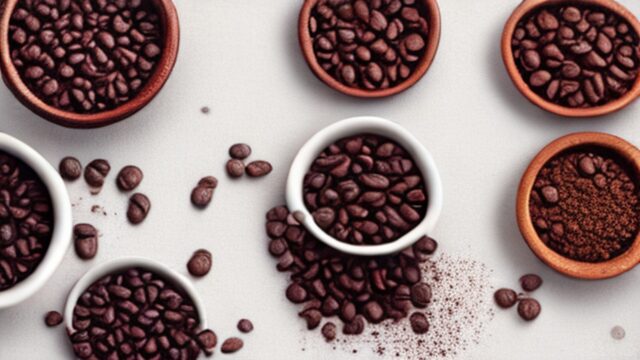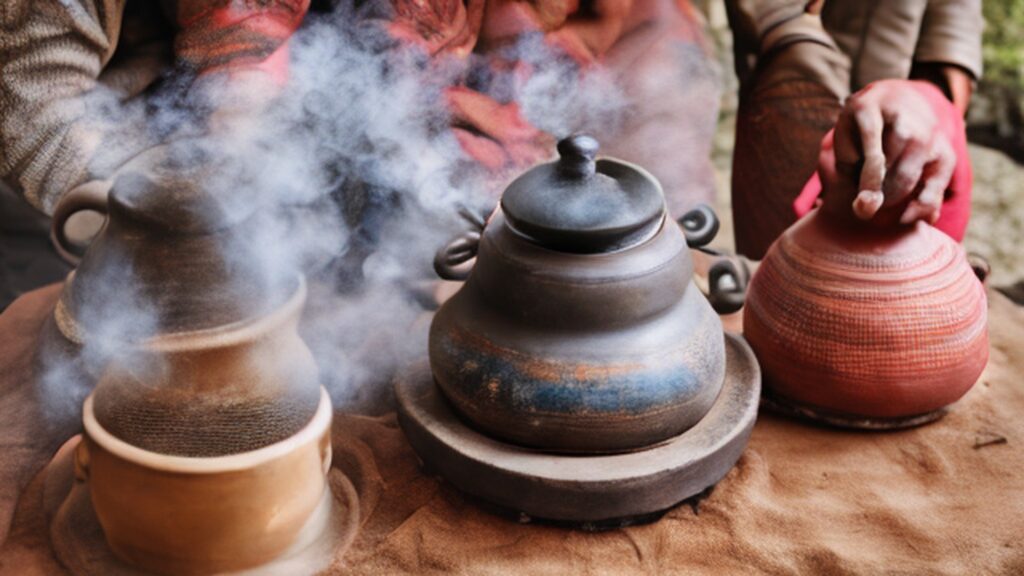
Every coffee plant on earth traces back to the forests of Ethiopia, where legend says a goat herder named Kaldi noticed his flock dancing after eating red cherries. Twelve centuries later, Ethiopian coffee remains the most distinctive origin you can buy.
What Ethiopian coffee tastes like
Expect flavors that make first-timers double-check the bag: jasmine, bergamot, blueberry, stone fruit, lemon zest. Ethiopian beans are typically light-bodied and tea-like with sparkling acidity — closer to an elegant white wine than to a diner cup.
The regions to know
Yirgacheffe is the famous name: floral, citrusy, delicate, usually washed. Sidamo is slightly fuller with sweet berry notes. Guji, a newer star, delivers intense fruit and syrupy sweetness. Harrar, in the east, is the wild one — naturally processed, winey, and blueberry-forward.
Washed vs. natural
Processing matters enormously here. Washed Ethiopians are clean, floral, and precise. Naturals — dried inside the whole fruit — are jammy, boozy, and berry-loaded. Same region, wildly different cups; the bag will say which.
How to brew it
Ethiopian coffees are almost always roasted light to preserve their aromatics, and they shine as pour over: try a 1:16 ratio at 205°F with a medium-fine grind. Dark roasting or heavy cream buries exactly what you paid a premium for. This is the origin that converts drip drinkers into coffee nerds — consider yourself warned.