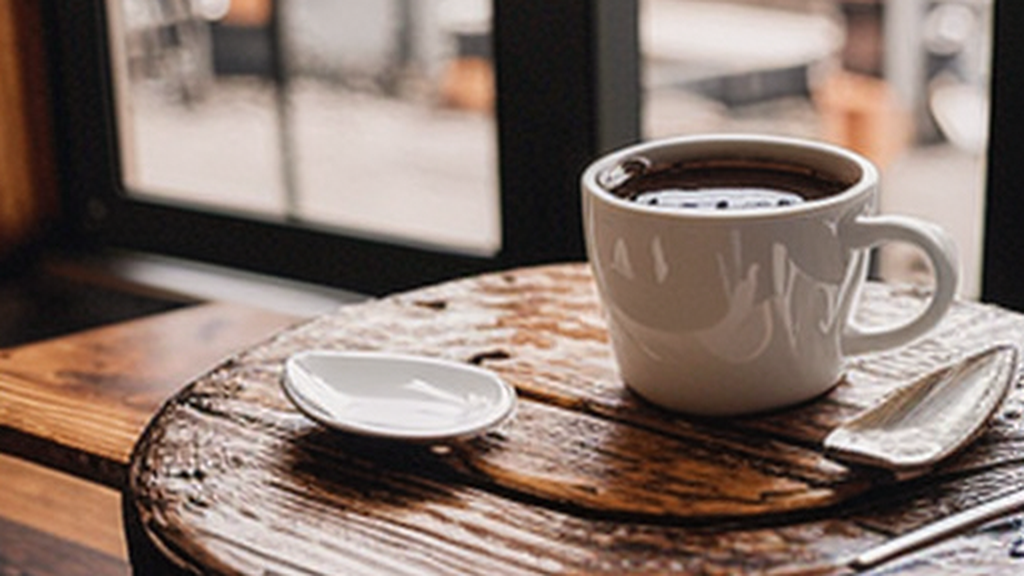
You wake up, and coffee is the first thing that touches your system — no breakfast, just caffeine straight to an empty stomach. It’s one of the most common coffee habits in America, and also one of the most argued-about. So is drinking coffee on an empty stomach actually bad for you, or is it just an old wives’ tale?
The short answer
For most healthy adults, coffee on an empty stomach is not dangerous. It does not “burn a hole” in your stomach lining, and current research has not found it causes lasting digestive damage in the general population. That said, it can cause uncomfortable short-term symptoms for a meaningful chunk of coffee drinkers — and if that’s you, the discomfort is real even if the long-term risk is low.
What actually happens in your stomach
Coffee — caffeinated or decaf — stimulates the release of stomach acid (gastric acid) and can relax the lower esophageal sphincter, the muscle that keeps stomach acid from creeping back up your esophagus. On an empty stomach, there’s no food to buffer that acid, which is why some people feel a burning sensation, mild nausea, or reflux specifically when they skip breakfast and go straight for coffee.
Coffee’s acidity itself plays a smaller role than most people assume — decaf and even low-acid coffees can still trigger symptoms, because the effect is driven more by caffeine’s stimulation of acid production than by the pH of the coffee itself. If acidity is a specific concern for you, see our guide on the pH of coffee.
Who should be more careful
The empty-stomach effect isn’t universal — it concentrates in a few groups:
- People with acid reflux or GERD, who already have a weaker lower esophageal sphincter and are more prone to symptoms.
- People with a sensitive stomach or gastritis, where extra acid production causes noticeable irritation.
- Anxious or caffeine-sensitive drinkers, who feel jitteriness and a racing heart more intensely without food slowing caffeine absorption.
- People prone to nausea — an empty stomach plus a stimulant is a common combination for morning queasiness.
If none of that describes you and you’ve never had an issue, there’s little reason to change your routine based on this alone.
Does it affect blood sugar and cortisol?
Some research suggests that drinking coffee before eating — especially after a poor night’s sleep — may blunt your body’s blood sugar control slightly more than drinking it with or after food. The effect is modest and mainly relevant to people managing blood sugar closely, such as those with prediabetes or diabetes. Cortisol, your body’s natural “wake up” hormone, is also naturally highest in the first hour after waking — some people find that adding caffeine on top of that peak makes them feel more wired than usual, which settles down once cortisol drops later in the morning.
How to make it easier on your stomach
If coffee on an empty stomach bothers you but you don’t want to give up your first cup, a few small changes usually help:
- Eat something small first — even a few crackers or a piece of toast buffers stomach acid meaningfully.
- Choose a lower-acid brew method, like cold brew, which is naturally less acidic than hot-brewed coffee.
- Add milk — dairy proteins bind to some acidic compounds and can soften the effect for sensitive drinkers.
- Drink water alongside it to dilute stomach acid concentration.
- Switch to a darker roast — the roasting process reduces certain acidic compounds, so dark roast coffee tends to sit easier for acid-sensitive drinkers than light roast.
What about decaf?
Decaf still stimulates gastric acid production, just less than regular coffee, since some of the effect comes from compounds in coffee beyond caffeine. It’s a reasonable option if caffeine specifically is the trigger for your jitteriness, but it won’t fully solve reflux or stomach irritation for everyone.
The bottom line
Coffee on an empty stomach is a habit, not a hazard, for the average healthy adult. If you’ve been doing it for years with no issues, there’s no compelling reason to stop. If you regularly feel queasy, jittery, or notice heartburn after your first cup, that’s your body telling you something useful — try eating first, switching to a lower-acid brew, or adding milk before assuming you need to cut coffee entirely.
Timing your first cup around your morning routine
Some coffee drinkers find that waiting even 15–20 minutes after waking, rather than reaching for coffee the instant they’re up, meaningfully reduces jitteriness and stomach discomfort. This isn’t about digestion specifically — it’s about cortisol. Since cortisol is naturally elevated right after waking as part of your body’s wake-up response, adding caffeine on top of that peak can intensify the jittery, wired feeling some people associate with coffee on an empty stomach. Waiting until cortisol has started to taper, then having your coffee alongside or after a small breakfast, often smooths out both the digestive and energy-related complaints at once.
What your body is really reacting to
It helps to separate three different sensations people lump together under “coffee doesn’t agree with me on an empty stomach”: stomach burning or reflux (caused by increased acid production), jitteriness or a racing heart (caused by caffeine itself, absorbed faster without food to slow it), and nausea (often a combination of both, amplified by low blood sugar first thing in the morning). Identifying which one you actually experience helps you pick the right fix — eating first mainly helps the first and third, while switching to a lower-caffeine brew mainly helps the second.
Frequently asked questions
Does black coffee on an empty stomach cause ulcers?
No credible research links coffee consumption to causing stomach ulcers. Ulcers are primarily caused by H. pylori bacterial infection or long-term NSAID use. Coffee can aggravate symptoms in someone who already has an ulcer, but it does not create one.
Is it better to eat before or after coffee?
Eating before coffee is generally easier on the stomach, since food buffers acid and slows caffeine absorption, leading to a steadier energy curve instead of a sharp spike.
Can coffee on an empty stomach cause weight loss or gain?
Neither, meaningfully. Caffeine has a mild, short-term appetite-suppressing effect for some people, but it’s not a reliable weight-management strategy either way.