
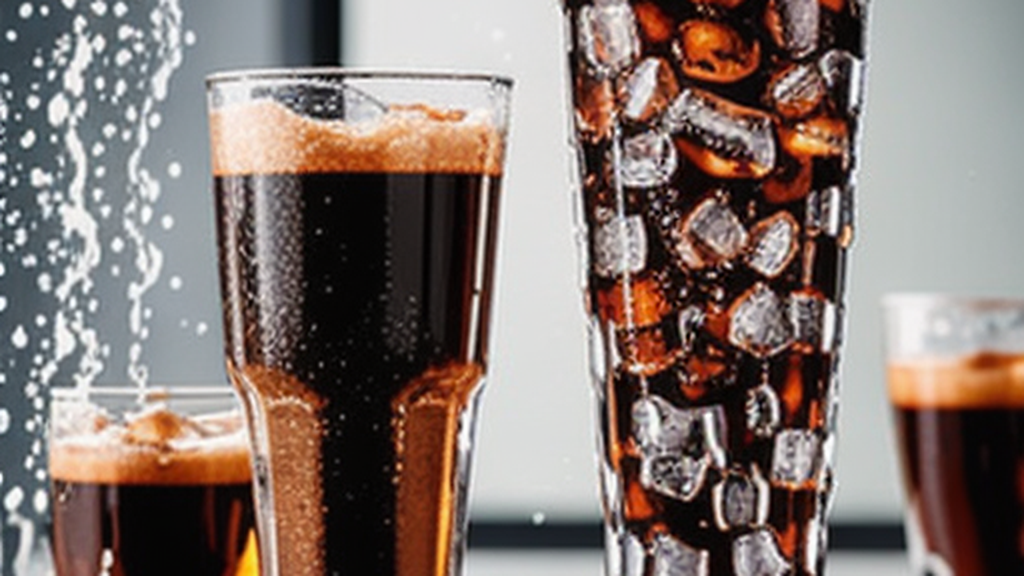
The iced americano looks simple — espresso, water, ice — which is exactly why so many home versions turn out weak and watery. The difference between a forgettable iced americano and a genuinely great one comes down to a couple of details most recipes skip. Here’s how to get it right every time.
What is an iced americano?
An americano is espresso diluted with hot water; an iced americano is the cold version, made by pouring espresso over ice and cold water instead. It’s different from iced coffee (which starts as drip coffee, brewed hot or cold, then chilled) and different from cold brew (steeped cold for hours). An iced americano keeps espresso’s concentrated, slightly caramelized flavor while landing at a lighter, more refreshing strength than a straight shot.
The one trick that changes everything
Always pour hot espresso directly over ice — never dilute your espresso with water first and then add ice after. Pouring hot espresso straight onto ice causes rapid, controlled dilution and chills the drink almost instantly, which locks in the crema and aromatic oils before they have a chance to flatten out. Espresso that sits and cools on the counter before hitting ice loses noticeably more of its aroma and develops a duller, flatter taste.
The recipe
- Fill a glass with ice — all the way to the top. This isn’t just for looks; a full glass of ice controls exactly how much the espresso dilutes and keeps the drink cold longer without watering it down as the ice melts.
- Pull a double shot of espresso (about 2 oz). No espresso machine? A moka pot or strong AeroPress shot works — see our guide to making espresso-style coffee without a machine.
- Pour the hot espresso directly over the ice immediately after brewing.
- Top with cold water to taste — typically 4–6 oz, depending on how strong you like it.
- Stir gently and drink right away, while the ice is still mostly intact.
Getting the ratio right
A standard iced americano ratio is roughly 1 part espresso to 2–3 parts water, adjusted to preference. If you like it strong and espresso-forward, stay closer to 1:2. For something lighter and more approachable, especially if you’re used to drip coffee, go closer to 1:3 or even 1:4. There’s no wrong ratio here — unlike hot brewing methods with a “correct” formula, iced americano is meant to be adjusted to taste since you’re essentially diluting a concentrate.
Common mistakes
- Adding ice after diluting with hot water. This over-dilutes the drink as the ice melts into already-diluted coffee.
- Using stale or weak espresso. Because this drink is mostly water, any flaw in the espresso — under-extraction, staleness, a bad grind — becomes more obvious once diluted, not less.
- Not using enough ice. A half-full glass melts fast and waters down the drink unevenly as you drink it.
- Letting espresso sit before pouring. Pour over ice immediately after the shot finishes for the best flavor and temperature contrast.
Iced americano vs. cold brew vs. iced coffee
| Drink | Base | Brew time | Flavor |
|---|---|---|---|
| Iced americano | Espresso + water | Under a minute | Bold, slightly caramelized, espresso-forward |
| Cold brew | Coarse grounds steeped cold | 12–18 hours | Smooth, naturally sweet, low acid |
| Iced coffee | Drip coffee, chilled | Minutes (hot brew) + cooling | Closest to regular drip, can taste diluted if not brewed stronger |
If you want the smoothest, least acidic option, cold brew is the better choice. If you want bold, espresso-driven flavor in under a minute, iced americano wins.
Choosing the right beans for iced americano
Because this drink is mostly water, bean choice matters more here than in milk-heavy espresso drinks that mask subtler flavors. Medium and medium-dark roasts tend to hold up best — dark enough to stay flavorful once diluted, but not so dark that the char and bitterness dominate once cooled. Very light roasts can work too, especially fruit-forward East African beans, producing a bright, almost tea-like iced americano — just expect a noticeably different, more delicate result than the bold, syrupy version most people expect from this drink.
Batching iced americanos for a crowd
If you’re making several at once, pull all your espresso shots first into a heatproof pitcher rather than pulling one shot per glass — this keeps the process fast enough that the earliest shots don’t cool and flatten before the last one is ready. Fill each glass with ice ahead of time, then pour the shots out across all the glasses at once, topping each with water to taste. This is the same batching logic coffee shops use during a morning rush, and it works just as well at home for brunch or a get-together.
Adjusting for hot weather
On especially hot days, standard ice cubes can melt fast enough to noticeably water down your drink before you finish it. Large-format ice cubes or ice spheres melt more slowly thanks to their lower surface-area-to-volume ratio, keeping your iced americano colder for longer without diluting as quickly. Some coffee shops go a step further and freeze coffee itself into ice cubes for iced drinks — a trick that works just as well at home if you regularly have leftover brewed coffee and want to avoid dilution altogether.
One more note on glassware: a taller, narrower glass shows off the layering and keeps more of the drink in contact with ice for longer, while a wide, short glass causes faster dilution since more surface area sits exposed to melting ice. If you have a choice, a tall Collins-style glass is the better pick for this drink.
Frequently asked questions
How much caffeine is in an iced americano?
The same as the espresso shots used to make it — roughly 126 mg for a double shot, regardless of how much water or ice is added, since dilution doesn’t remove caffeine.
Can I make an iced americano without an espresso machine?
Yes — a moka pot or a strong, small-volume AeroPress shot both produce a concentrated coffee close enough to espresso to work well in this recipe.
Why does my iced americano taste watery?
Almost always one of two causes: the espresso was diluted before hitting ice instead of poured hot directly onto it, or too little ice was used, causing rapid over-dilution as it melted.