“Specialty coffee” gets used loosely — plenty of bags slap the word on the label as a marketing term. But specialty coffee is actually a defined category with a real scoring system behind it, not just a synonym for “fancy” or “expensive.” Here’s what the term formally means and how to tell the real thing from the label.
The formal definition
Specialty coffee refers to beans that score 80 points or higher on the Specialty Coffee Association’s (SCA) 100-point cupping scale, evaluated by certified graders (called Q Graders) across categories like aroma, flavor, acidity, body, balance, and aftertaste. Coffee scoring below 80 is classified as “premium” or “commodity” grade, regardless of price or packaging. The scoring system was formalized to give the industry an objective, repeatable standard instead of relying purely on marketing language.
What separates specialty from regular coffee
Traceability
Specialty coffee is traceable — often down to a specific farm, cooperative, or even a single lot within a farm — rather than being an anonymous blend of unidentified origins. A bag might list not just “Colombia” but the specific region, farm, altitude, and processing method.
Quality control at every stage
From careful cherry selection at harvest (often hand-picked, choosing only ripe cherries) to controlled processing and drying, specialty coffee involves deliberate quality decisions at each step. Commodity coffee, by contrast, is often mechanically harvested regardless of ripeness and processed in bulk with less attention to individual lots.
Freshness and roasting
Specialty roasters typically roast in small batches, closer to when the coffee will actually be sold and brewed, and disclose the roast date on the bag — a detail commodity coffee brands rarely provide, since their beans may sit for months before reaching a shelf.
Fair, often direct, pricing
Because specialty coffee involves more labor and quality control, it’s priced to reflect that — and many specialty roasters buy directly from farms or cooperatives at prices well above commodity market rates, supporting better livelihoods at origin.
How specialty coffee is graded
Q Graders cup and score coffee across ten categories, each worth up to 10 points: fragrance/aroma, flavor, aftertaste, acidity, body, balance, uniformity, clean cup, sweetness, and overall impression. A coffee needs to average 80+ across these categories, with zero significant defects, to earn specialty status. Coffees scoring 85+ are considered excellent, and anything above 90 is exceptional — rare enough that these lots often command significant premiums and get marketed by name (like a specific microlot or competition-winning coffee).
Where specialty coffee tends to come from
While specialty-grade coffee can technically come from anywhere, certain origins consistently produce it at higher rates due to altitude, climate, and farming tradition — Ethiopia, Kenya, Colombia, and parts of Central America are especially well represented in the specialty market. High altitude in particular tends to slow cherry maturation, concentrating sugars and flavor compounds that show up as more complex, distinct cups.
How to spot real specialty coffee
- Look for a roast date, not just a “best by” date. Real specialty roasters are transparent about freshness.
- Check for origin specificity — a named farm, region, or cooperative is a good sign; a vague “Product of South America” label usually isn’t.
- Look for processing method listed (washed, natural, honey) — commodity coffee rarely discloses this level of detail.
- Small-batch roasters are far more likely to be sourcing and roasting to specialty standards than large mass-market brands, though this isn’t an absolute rule.
Does specialty coffee taste different?
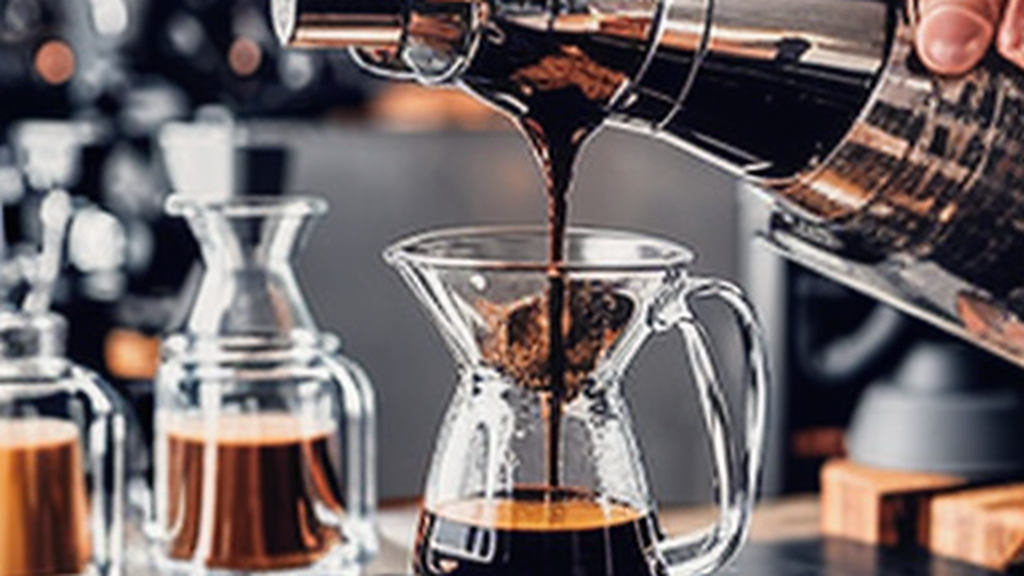
Yes, usually noticeably. Specialty-grade coffee tends to show more distinct, describable flavor notes — berries, citrus, florals, chocolate, specific to the origin — rather than the generic “coffee flavor” of commodity blends, which are often roasted darker specifically to mask inconsistencies in the underlying beans. If you’ve only had commodity-grade coffee, a well-brewed single origin specialty coffee, brewed as a pour over to highlight its character, is often a genuine surprise.
The economics behind specialty coffee
Commodity coffee is traded on global exchanges at a single, volatile market price (the “C price”), often paid to farmers regardless of quality — meaning a farmer producing exceptional beans and one producing mediocre beans can be paid nearly the same amount. Specialty coffee breaks from that model: because it’s scored, differentiated, and sold based on demonstrated quality, specialty buyers frequently pay well above commodity market rates, sometimes two to five times more, directly rewarding farmers for the extra care specialty production requires. This pricing structure is a major reason specialty coffee has grown steadily over the past two decades, since it gives farmers a real financial incentive to invest in quality rather than just volume.
How to start exploring specialty coffee
If you’re new to specialty coffee, the easiest entry point is a subscription or sampler pack from a well-regarded small roaster, since it exposes you to several origins and processing methods without committing to a full bag of something you might not love. Pay attention to the tasting notes printed on the bag, brew each one the same way (a consistent pour over method is ideal for comparison), and take casual notes on what you taste versus what’s described — training your palate to recognize specialty coffee’s distinct character is mostly a matter of repetition and side-by-side comparison over time.
Specialty coffee at chain vs. independent cafés
Not every café claiming to serve “specialty coffee” sources beans that actually meet the 80-point threshold — the term isn’t legally regulated, so it’s used with varying rigor across the industry. Independent, roaster-owned cafés are generally more likely to genuinely source and disclose specialty-grade beans, since transparency is often part of their brand identity. If you want to know for certain, don’t hesitate to ask a café directly where their beans come from and what they scored — a shop genuinely committed to specialty coffee will usually be glad to talk about it in detail.
Frequently asked questions
Is specialty coffee always more expensive?
Generally yes, though not automatically — the extra cost reflects labor-intensive harvesting, quality control, and often more equitable pricing paid to farmers, not just marketing.
Is all single origin coffee specialty grade?
No — a coffee can be single origin without meeting the 80+ score threshold. The terms describe different things: single origin refers to where the beans come from, while specialty refers to quality grade.
Can specialty coffee be a blend?
Yes. Some specialty roasters create blends using multiple specialty-grade lots, chosen deliberately for how they complement each other — different from commodity blends, which mix beans mainly to manage cost and consistency.