Most coffee beans come in pairs — two flat-sided seeds nestled together inside each coffee cherry. Peaberry is what happens when nature skips that step: only one round, oval seed develops inside the cherry instead of two. It’s a naturally occurring mutation, not a separate variety or origin, and it happens in roughly 5–10% of cherries on any given coffee plant.
How peaberry forms
A coffee cherry normally contains two seeds that grow flat against each other, each with one rounded side and one flat side where they pressed together during development. When only one seed is fertilized and develops inside the cherry, it grows without another seed pressing against it — so instead of one flat side, it forms as a small, round, oval bean. This happens naturally across coffee farms worldwide and isn’t tied to any specific origin or variety, though certain farms and lots yield more peaberries than others.
Why peaberry gets separated out
Because peaberries are shaped differently from standard flat beans, they roast differently — their rounder shape means heat distributes more evenly during roasting, which many roasters and tasters believe produces a more consistent roast than a batch of mixed flat beans. Some farms and mills sort peaberries out from the rest of the harvest using screens that catch the distinct round shape, then sell them as a separate, often premium, product.
Does peaberry actually taste different?
This is genuinely debated in the specialty coffee world. Proponents argue peaberries have a brighter, more concentrated flavor, reasoning that with only one seed to nourish instead of two, that single bean receives more of the cherry’s nutrients and sugars during development. Skeptics point out that no rigorous blind-tasting research has conclusively proven peaberries taste meaningfully different from flat beans grown on the same plant, and that much of the perceived difference may come from more careful sorting and roasting rather than the bean shape itself.
What’s not in dispute: peaberries roast more evenly due to their shape, which can translate to a cleaner, more consistent cup — even if the underlying flavor compounds aren’t dramatically different from a well-roasted batch of standard beans from the same lot.
Where peaberry coffee comes from
Peaberry occurs across virtually all coffee-growing regions since it’s a natural mutation rather than a distinct variety, but it’s most commonly marketed from Tanzania and Kenya, where sorting and selling peaberry separately has become an established specialty product with dedicated demand. You’ll also find peaberry lots from Hawaii Kona, Colombia, and other origins, usually sold at a premium over standard beans from the same farm.
How to brew peaberry coffee
Peaberry doesn’t require any special brewing method — treat it like any quality single origin coffee. Because peaberry is often marketed as a premium, distinct-flavor product, brewing methods that highlight clarity and nuance tend to be the best showcase:
- Pour over — our V60 method highlights subtle flavor differences better than immersion brewing.
- AeroPress — a clean, adjustable method that works well for smaller batches of specialty beans.
- Light to medium roast — darker roasting tends to mute the origin characteristics that peaberry is prized for, so look for lighter roast profiles if you want to taste what makes it distinct.
Is peaberry worth the premium price?
Peaberry coffee typically costs 10–30% more than standard beans from the same farm, largely due to the extra labor of sorting it out by hand or with specialized screens. Whether it’s “worth it” comes down to curiosity and preference — if you enjoy trying different single origin coffees and want to taste a widely discussed specialty product for yourself, it’s a reasonable one-time splurge. If you’re optimizing purely for value, a well-sourced standard lot from the same farm will likely taste very similar.
How peaberry is sorted at scale
On larger farms and at processing mills, peaberries are separated from flat beans using density and size-based sorting screens — the round shape and slightly smaller size of peaberries allows them to be mechanically filtered out from the rest of the harvest. On smaller farms, sorting is sometimes still done by hand, which adds to the labor cost that gets passed on in the final price. Either way, because peaberries make up only a small percentage of any given harvest, accumulating enough for a dedicated retail lot takes noticeably longer than sorting standard flat beans, which is part of why peaberry coffee tends to be sold in smaller batches than standard offerings from the same farm.
Roasting peaberry at home
If you roast your own green coffee, peaberries are worth roasting as a separate batch rather than mixing them in with flat beans. Their rounder shape means they roll and roast more evenly in a drum or pan, but mixed into a batch of flat beans, the size and shape difference can cause uneven heat distribution across the whole batch. Roasting them separately, even in a small batch, lets you take full advantage of the more even roast peaberries are known for, and makes it easier to taste whether the format genuinely changes the cup for yourself.
Peaberry in coffee competitions
Peaberry lots occasionally show up in specialty coffee competitions and auctions, sold as a novelty alongside a farm’s standard offerings. While peaberry itself isn’t inherently a marker of exceptional quality, farms that go through the extra effort of sorting and marketing it separately are often already producing carefully managed, high-quality coffee overall — so a peaberry lot from a reputable farm is frequently a safe bet for a distinctive, well-made cup, even if the peaberry shape itself isn’t the primary reason why.
Frequently asked questions
Is peaberry a type of coffee bean variety, like Arabica or Robusta?
No — peaberry is a shape mutation that can occur in any coffee variety, including both Arabica and Robusta plants. It describes how the bean formed, not what species or variety it is.
How can I tell if my coffee is peaberry?
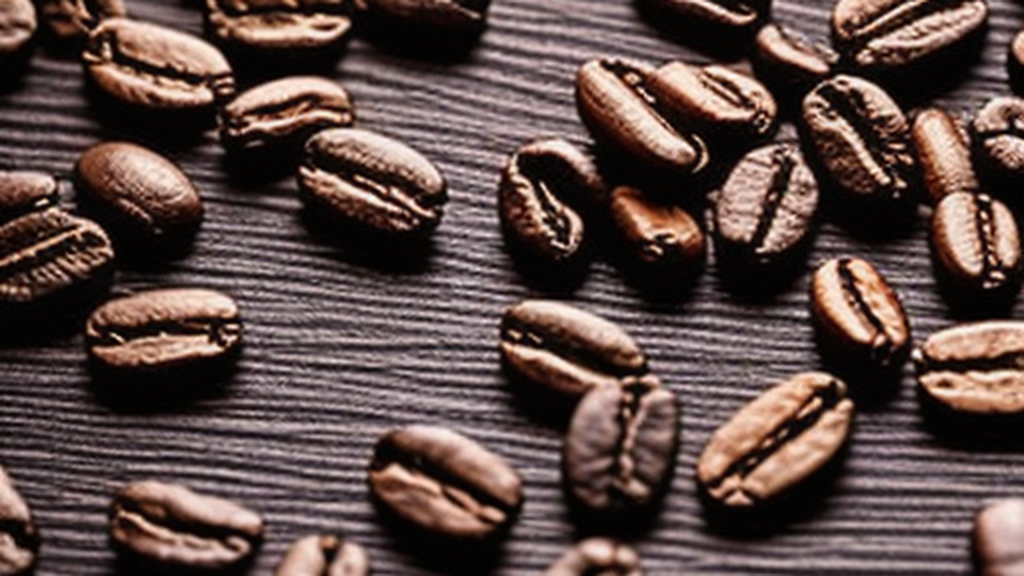
Look at the whole beans before grinding — peaberries are small, round, and oval-shaped rather than flat on one side. Roasters selling peaberry coffee will also label it clearly, since it’s marketed as a distinct product.
Does peaberry have more caffeine?
No meaningful difference. Caffeine content is determined mainly by species (Arabica vs. Robusta) and bean size has no significant established effect on caffeine concentration.