You bought great beans — then left them in the pinched-shut bag on the counter next to the stove. By week two they taste like cardboard. Coffee’s four enemies are air, light, heat, and moisture, and beating them takes about five minutes of setup.
The right container
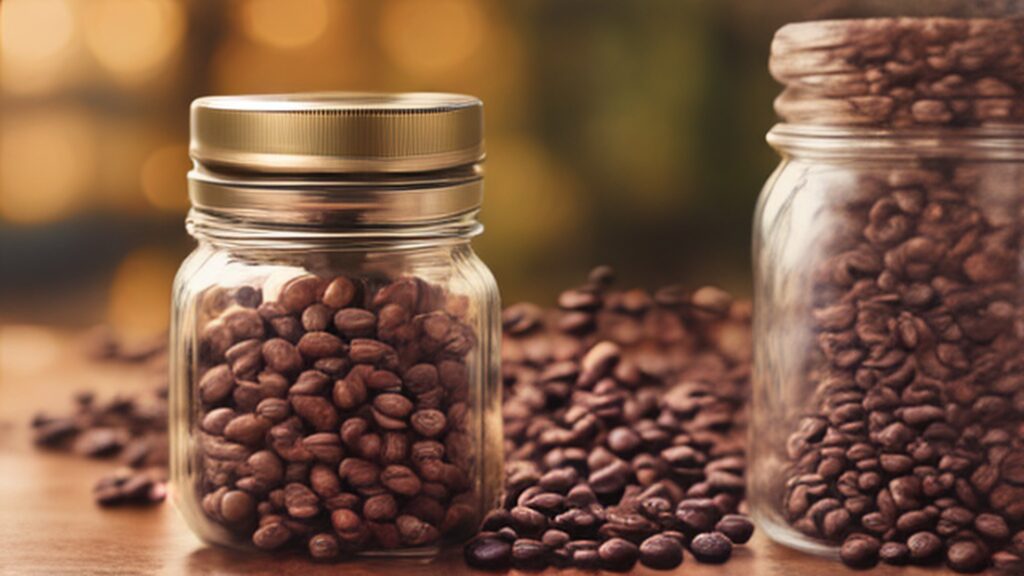
Airtight and opaque is the baseline: a ceramic canister or steel tin beats any glass jar on a sunny counter. The gold standard is a container with a one-way CO2 valve (Fellow Atmos, Airscape, and similar) — fresh beans release CO2 for days after roasting, and these vent gas out without letting oxygen in.
Where to keep it
A cool, dark cabinet away from the oven, dishwasher, and window. Not the counter (light and heat), and never the fridge — it’s humid, and coffee absorbs odors like a sponge. Nobody wants onion-scented Ethiopia Yirgacheffe.
The freezer exception
Freezing works only for long-term storage: sealed, unopened bags (or vacuum-sealed portions) can hold quality for months. The rule is one trip — thaw the bag fully before opening so condensation doesn’t soak the beans, and never refreeze.
Buy less, more often
The best storage strategy is turnover. Whole beans peak from about day 5 to day 25 after roasting, so buy what you’ll drink in two or three weeks. A 5 lb “value” bag is only a value if you can drink it before it fades.
Ground coffee changes the math
Grounds expose vastly more surface area and stale within days no matter the container. If you take one thing from this article: buy whole beans and grind per brew. Your container is a supporting actor; the grinder is the star.