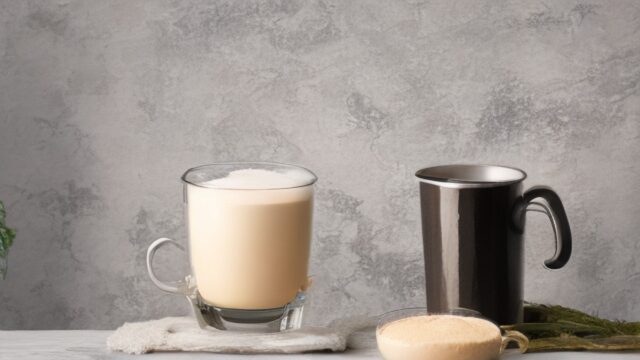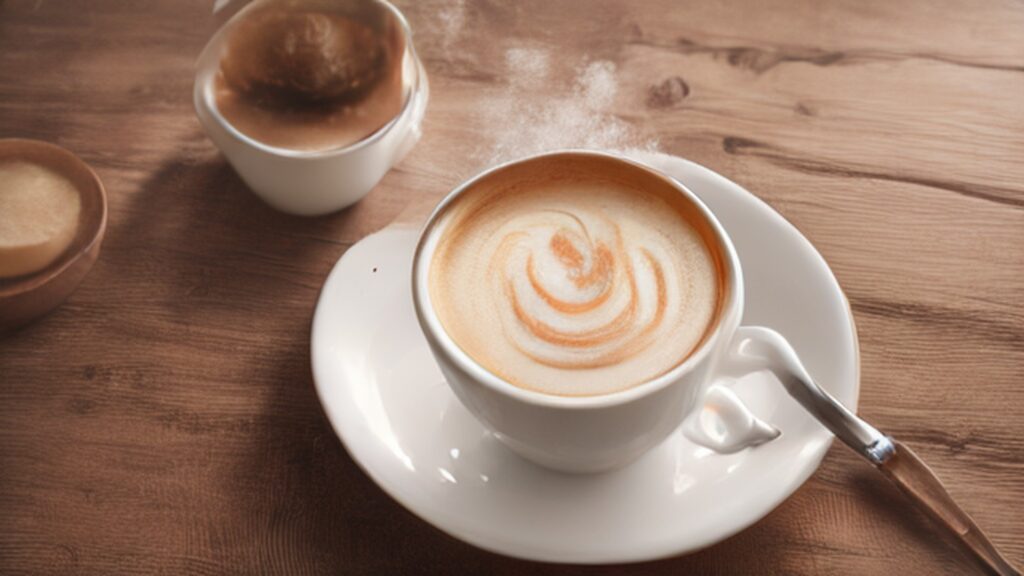
A cappuccino is one of the most ordered espresso drinks in the world — and one of the most misunderstood. Walk into any coffee shop in America and you’ll find at least three versions on the menu. Walk into a traditional Italian bar and you’ll find exactly one, served in a ceramic cup before noon.
This guide covers everything: what a cappuccino actually is, how it differs from a latte or flat white, the types you’ll encounter, and exactly how to make one at home whether you own an espresso machine or not.
What Is a Cappuccino?
A cappuccino is a three-part espresso drink built on a 1:1:1 ratio:
- 1 part espresso — typically a double shot (2 oz)
- 1 part steamed milk — silky and heated to 150–160°F
- 1 part milk foam — thick, dense microfoam piled on top
The word comes from the Italian cappuccino, named after the Capuchin friars whose brown robes matched the color of the drink. A traditional Italian cappuccino is served in a 5–6 oz ceramic cup and contains one shot of espresso. American versions typically use a double shot and run larger.
The defining feature that sets a cappuccino apart from every other milk-based espresso drink is the thick layer of dry foam on top. That foam isn’t just decorative — it insulates the drink, slows heat loss, and creates a texture you can almost chew.
Cappuccino vs Latte: What’s the Difference?
This is the question every barista hears a dozen times a day. Here’s the short answer:
| Drink | Espresso | Steamed Milk | Foam | Total Size |
|---|---|---|---|---|
| Cappuccino | 2 oz (double) | 2 oz | 2 oz thick foam | ~6 oz |
| Latte | 2 oz (double) | 6–8 oz | thin layer only | ~10–12 oz |
| Flat White | 2 oz (double) | 4 oz | micro-thin layer | ~6 oz |
A latte is milkier and milder — the same espresso, but diluted by much more steamed milk. A cappuccino is bolder and denser, with the espresso flavor coming through much more clearly. If you want to make a latte at home, the process is similar but proportions differ significantly.
Types of Cappuccinos
Once you understand the classic, the variations make sense:
Dry Cappuccino
More foam, less steamed milk. The “driest” version is almost all foam — intense espresso flavor with a cloud of froth. Preferred by espresso purists who want boldness without watering down the shot.
Wet Cappuccino
More steamed milk, less foam. Closer to a latte in texture, but still smaller and stronger than a true latte. Good for people transitioning from lattes who want more espresso presence.
Iced Cappuccino
Espresso poured over ice, topped with cold milk foam. Not traditional — traditional cappuccino is always hot — but widely available in American coffee shops, especially in summer.
Bone Dry Cappuccino
Espresso with only foam, no steamed milk at all. The boldest expression. Not for the faint-hearted.
Flavored Cappuccino
Add vanilla, hazelnut, or caramel syrup to the espresso before adding milk and foam. The classic ratio stays the same; the syrup goes in first.
How to Make a Cappuccino at Home
You need two things: espresso and frothed milk. Here’s how to get both without a $1,000 machine.
Equipment Options
- Best: Espresso machine with steam wand
- Good: Moka pot + handheld frother
- Surprisingly decent: AeroPress + electric milk frother
For the espresso-style base, a moka pot or AeroPress produces concentrated coffee close enough to espresso for home cappuccinos. It won’t have true crema, but the flavor profile is right.
Step-by-Step Classic Cappuccino
- Brew your espresso. Pull a double shot (2 oz) into a preheated 6-oz cup.
- Steam your milk. Use 4 oz of whole milk (or oat milk for a creamy non-dairy version). Heat to 150–160°F while introducing air. You want silky microfoam that coats the pitcher, not large bubbles.
- Pour the steamed milk. Add 2 oz of steamed milk directly into the espresso, pouring from the pitcher’s bottom to keep the foam back.
- Spoon the foam. Use a spoon to add a thick 2-oz layer of foam on top. In traditional Italian cappuccino, the foam should stand slightly above the rim.
- Serve immediately. Cappuccino doesn’t wait — the foam collapses within 2 minutes.
Grind Matters
A good cappuccino starts with a good shot. Dial in your espresso grind size — fine, about the texture of table salt — before anything else. A bad shot makes a bad cappuccino regardless of your milk technique.
Cappuccino Caffeine Content
A traditional cappuccino made with one shot contains approximately 63–75 mg of caffeine. An American double-shot version contains 120–150 mg — roughly the same as a standard drip coffee, just in a much smaller volume.
For reference, espresso vs drip coffee caffeine is counterintuitive: espresso is more concentrated, but because the serving is smaller, you often drink less total caffeine.
Cappuccino Calories
A 6-oz cappuccino made with whole milk runs about 80–120 calories. Add flavored syrups and that number climbs fast — one pump of vanilla syrup adds roughly 20 calories. Skim milk cuts calories but loses the texture that makes a cappuccino worth making.
Best Milk for Cappuccino
Whole milk is the traditional choice and produces the richest foam. 2% works but foams slightly thinner. For non-dairy options, oat milk (barista edition) gets closest to whole milk foam texture. Almond and soy milk foam but produce smaller, less stable bubbles.
☕ Ready to make a great cappuccino at home?
Shop Espresso Machines on Amazon →
As an Amazon Associate, Daily Espresso earns from qualifying purchases at no extra cost to you.
Frequently Asked Questions About Cappuccino
Is a cappuccino stronger than a latte?
By volume, yes. A cappuccino is smaller with the same amount of espresso, so the espresso-to-milk ratio is higher. You taste the coffee more clearly in a cappuccino than in a latte.
Can you make a cappuccino without an espresso machine?
Yes. A moka pot or AeroPress produces strong concentrated coffee that works well as a cappuccino base. Froth your milk with a handheld frother or the French press plunge method. The result won’t be identical to a machine-made cappuccino, but it’s genuinely good.
Why is my cappuccino foam watery?
Three common causes: milk too hot (stop steaming at 160°F), not enough air introduced during steaming, or using low-fat milk. Whole milk and a consistent wand technique fix most foam problems.
What’s the difference between a cappuccino and a macchiato?
A macchiato is espresso “stained” with just a small amount of foam or steamed milk — essentially a cappuccino cut by two-thirds. A cappuccino is a full drink; a macchiato is a dressed-up espresso.
Should a cappuccino have latte art?
Traditional cappuccino has a white dome of foam, not latte art. Latte art requires thin microfoam poured at volume — the thick foam used in cappuccino doesn’t lend itself to patterns. A cappuccino with latte art is actually closer to a wet cappuccino or a small latte.