Drip coffee is the most consumed beverage in America after water. Over 66% of American coffee drinkers make it at home in a drip coffee maker. Yet most people are brewing it at the wrong temperature, with the wrong grind, at the wrong ratio — and drinking mediocre coffee every single morning without knowing why.
This guide fixes that. Learn exactly how drip coffee works, what variables actually matter, and how to get a genuinely excellent cup from a machine you already own.
What Is Drip Coffee?
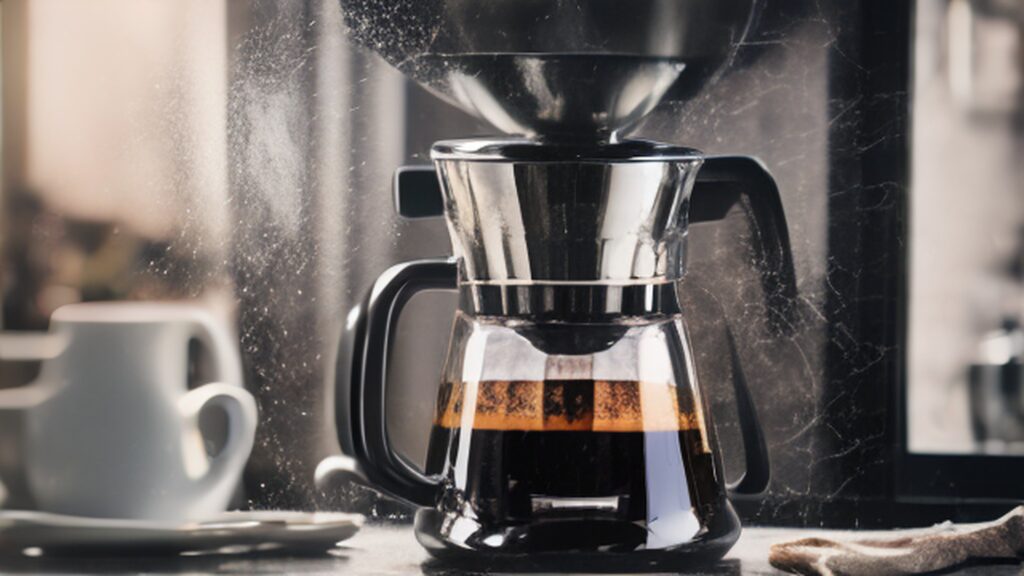
Drip coffee (also called filtered coffee or automatic drip) is brewed by heating water and dripping it through ground coffee held in a paper or mesh filter. Gravity pulls the water through the grounds, extracting flavor compounds, while the filter catches the grounds and most of the coffee oils.
The result is a clean, clear cup with lower oil content than French press or espresso — lighter in texture, often more nuanced in flavor, and easy to drink black.
Drip Coffee vs Pour Over: What’s the Difference?
They use the same principle — hot water dripped through a filter — but with one key difference: control.
Pour over (V60 method, Chemex, etc.) requires manual pouring, giving you control over flow rate, water distribution, and bloom timing. This extra control, done well, produces a cleaner and more nuanced cup.
Automatic drip machines do it for you — but most standard machines brew water at 195°F instead of the ideal 200–205°F, saturate grounds unevenly, and skip the bloom entirely. Those compromises explain why specialty coffee shops rarely serve automatic drip.
That said: a good drip machine with quality coffee, the right grind, and the right ratio produces excellent coffee with zero effort. The best coffee makers of 2026 solve most of these problems automatically.
The Variables That Control Drip Coffee Quality
1. Water Temperature: The Most Overlooked Variable
Ideal brewing temperature: 200–205°F (93–96°C). Most budget drip machines heat to 185–195°F — too cool to fully extract flavor compounds, producing flat, under-extracted coffee.
How to check: Use an instant-read thermometer at the brew head. If it reads below 195°F, you need either a better machine or a preheating trick (brew a carafe of plain water first to heat the thermal components).
2. Grind Size: Medium, Every Time
Drip coffee uses a medium grind — slightly coarser than table salt. Too fine and you get bitter over-extracted coffee; too coarse and you get weak, watery coffee. See our grind size guide for the exact feel you’re aiming for.
Pre-ground “drip coffee” is labeled medium for a reason — it’s calibrated for standard drip machines. But pre-ground stales in days. A burr grinder and whole beans produce noticeably better results within a week of the switch.
3. Coffee-to-Water Ratio: The 1:16 Starting Point
The golden ratio for drip coffee is 1:16 — one gram of coffee per 16 grams of water. For a standard 12-cup carafe (about 60 oz / 1775ml of water), that’s roughly 110 grams of coffee.
Most people use far less — the included scoop that comes with most machines measures 6–7 grams, and the instruction manual suggests one scoop per 6 oz, which gives about 1:24. That’s why most home drip coffee tastes weak.
Dial this in with a kitchen scale. It takes 30 seconds and transforms your morning cup. Our full breakdown of the coffee-to-water ratio covers when and how to adjust.
4. Water Quality
Coffee is 98.5% water. Tap water with strong chlorine or mineral taste will affect your cup significantly. Use filtered water or a Brita. Avoid distilled water — it lacks the minerals needed for proper extraction and produces flat coffee.
5. Coffee Freshness
Ground coffee goes stale in 2–7 days once opened. Whole bean coffee in an airtight container stays fresh for 2–4 weeks after the roast date. This is the single biggest quality variable most people ignore. Store your beans correctly and buy them fresh — look for a roast date, not a best-by date.
How to Make Better Drip Coffee: Step by Step
- Weigh your beans. Start at 1:16 ratio. For a 32-oz brew (4 mugs), use 57g of beans.
- Grind fresh, medium coarseness. Grind immediately before brewing — not hours ahead.
- Use filtered water. Fill the reservoir with filtered water at room temperature.
- Use a paper filter, pre-rinsed. Rinse your paper filter with hot water before adding grounds — this removes paper taste and preheats the carafe.
- Add grounds and brew. Add ground coffee to the rinsed filter, start the machine, and don’t interrupt the brew cycle.
- Drink within 20 minutes. Drip coffee on a warming plate degrades fast. Transfer to a thermal carafe immediately after brewing.
Best Coffee for Drip Brewing
Drip coffee’s paper filter strips out oils and produces a clean cup — which means it highlights bright, delicate flavors rather than body. Light to medium roasts shine in drip brewing.
Try: Ethiopian or Colombian single origins (fruit-forward, bright acidity), medium-roasted blends designed for drip, or a Central American washed process coffee.
Dark roasts work but tend toward bitter in drip brewing at 200°F+. If you prefer dark roast, use slightly coarser grind and slightly lower ratio (1:17–1:18) to compensate.
Drip Coffee Machines Worth Buying
For a full breakdown of the best options at every price point, see our best coffee makers of 2026 guide. The short version: look for SCA-certified machines (they hit the right temperature), programmable bloom cycles, and thermal carafes. Our top pick under $100 consistently outperforms machines costing 3x more.
Drip Coffee Caffeine Content
An 8-oz cup of drip coffee contains approximately 95–165 mg of caffeine, depending on roast level, beans, and brew strength. Lighter roasts retain slightly more caffeine than dark roasts. Stronger ratios produce more caffeine per cup.
☕ Upgrade your drip coffee maker
Shop Best Drip Coffee Makers on Amazon →
As an Amazon Associate, Daily Espresso earns from qualifying purchases at no extra cost to you.
Frequently Asked Questions About Drip Coffee
Why does my drip coffee taste bitter?
Three most common causes: water too hot (above 205°F), grind too fine, or ratio too high (too much coffee). Start by dialing back the coffee amount by 10% and coarsening your grind by one step.
Why does my drip coffee taste weak or sour?
Under-extraction. Your water is likely too cool (under 195°F), grind too coarse, or ratio too low (not enough coffee). Increase your coffee dose or try a slightly finer grind.
Is drip coffee stronger than espresso?
By concentration, no — espresso is far more concentrated. But in a standard serving, an 8-oz drip coffee contains more total caffeine than a single espresso shot. See our full espresso vs drip comparison.
How long does drip coffee stay fresh?
20–30 minutes in a glass carafe on a warming plate before flavor degradation becomes noticeable. In a thermal carafe (no heat): 2–4 hours while still tasting good. Never reheat brewed coffee — it produces bitter, acrid compounds. Brew less more frequently instead.
Should I use a paper or metal filter?
Paper filters produce a cleaner, brighter cup by trapping oils and fine particles. Metal (reusable) filters let oils through, producing a fuller-bodied cup similar to French press. Try both and choose based on what you prefer. For most drip coffee, paper produces the better outcome.