Coffee does not start as the brown, aromatic bean you grind each morning. It starts as a green, grassy-smelling seed with almost no resemblance to coffee’s final flavor. The roasting process — applying heat to green coffee beans — is where virtually all of the flavor compounds you associate with coffee are created. Understanding it changes how you think about the coffee in your cup.
What Is Coffee Roasting?
Coffee roasting is the thermal processing of green coffee beans using temperatures between 375°F and 540°F (190–280°C). The process takes anywhere from 8 to 25 minutes depending on the roasting method and target roast level. During roasting, hundreds of chemical reactions occur simultaneously, creating over 800 distinct flavor and aroma compounds from the relatively simple chemistry of the green bean.
The roaster’s skill lies in controlling the heat profile — how quickly temperature rises, where it pauses, and when it drops — to develop specific flavors while avoiding defects like scorching or baking.
The Stages of Coffee Roasting
Stage 1 — Drying (0–3 min, 320°F): The bean’s moisture (10–12% water content) evaporates. The bean turns from green to yellow. No significant flavor development yet — this is purely moisture removal. The bean smells like hay or bread.
Stage 2 — Maillard Reaction (3–8 min, 320–390°F): Similar to the browning reaction in cooking — amino acids and sugars react to create hundreds of new flavor compounds. The bean turns golden and begins to smell increasingly like coffee. This is where many of the complex, nuanced flavors are built.
Stage 3 — First Crack (8–12 min, ~390°F): The bean’s internal pressure builds as steam and CO₂ are produced. The bean physically cracks open — making an audible popping sound (like popcorn). This is the minimum point for drinkable coffee. Light roasts are pulled immediately after or during first crack.
Stage 4 — Development/Roast (after first crack): The roaster continues applying heat to develop flavor. The bean darkens further. Sugars caramelize and some acidic compounds break down. This phase determines the final roast level.
Stage 5 — Second Crack (14–18 min, ~440°F): A second, quieter cracking sound as the bean’s cellular structure begins to break down. Dark roasts and espresso roasts are developed into or past second crack. French roast pushes well past second crack.
How Roast Level Affects Flavor
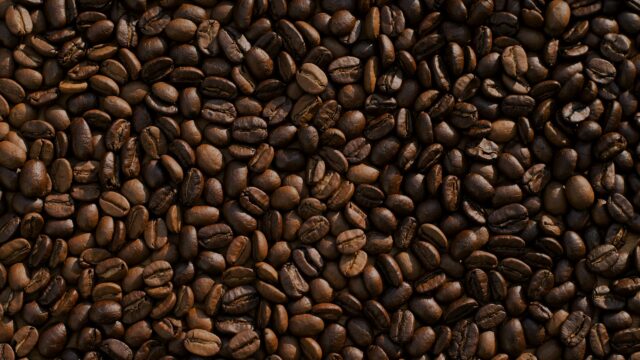
| Roast Level | Internal Temp at Pull | Color | Flavor Notes | Acidity | Body |
|---|---|---|---|---|---|
| Light (City) | 385–400°F | Light brown, no oil | Fruity, floral, complex, tea-like | High | Light |
| Medium (Full City) | 400–415°F | Medium brown, no oil | Balanced, chocolate, caramel, nut | Medium | Medium |
| Medium-Dark (Full City+) | 415–430°F | Dark brown, slight oil | Dark chocolate, caramel, slight bittersweet | Low-medium | Full |
| Dark (French/Italian) | 430–450°F | Very dark, oily surface | Smoky, bitter, carbon, dark chocolate | Very low | Full |
Industrial vs Artisan Roasting
Commercial/industrial roasting uses large drum or fluid-bed roasters that process hundreds of pounds per batch. High volume and consistency are prioritized over nuance. Most supermarket coffee is commercially roasted and then aged in the supply chain for weeks or months.
Artisan specialty roasting uses smaller batch sizes (15–60 lbs), more precise temperature profiling, and typically roasts within days of selling. The difference in freshness alone is dramatic — most specialty roasters print the roast date on every bag. Beans roasted more than 3 weeks ago are considered stale in the specialty world; most supermarket beans were roasted 3–12 months before purchase.
Roasting at Home
Home coffee roasting is a genuine hobby with a dedicated following. You can roast in a popcorn popper, a cast iron skillet, or a dedicated home roaster. For a proper home roasting setup, a home coffee roaster like the IKAWA Pro or Fresh Roast SR800 gives you precise profile control and consistent results. As an Amazon Associate I earn from qualifying purchases.
Frequently Asked Questions About Coffee Roasting
Why is fresh-roasted coffee better?
Coffee off-gasses CO₂ for days after roasting and undergoes rapid flavor development. Peak flavor is typically 5–14 days after roasting for most filter coffees, and 7–21 days for espresso. Old coffee tastes flat and stale.
Does darker roast mean more caffeine?
No — the opposite. Dark roasting destroys a small amount of caffeine. By volume, dark roast has slightly less caffeine than light roast. By weight (if you measure by scoops), dark roast beans are physically larger (swollen by heat) and less dense, so you get fewer beans and thus less caffeine per scoop.
What is “single pass” or “one-pass” roasting?
A marketing term some roasters use to indicate roasting to the desired level in a single batch without re-roasting or blending roast levels. Not a formal industry standard.
Why does dark roast coffee look oily?
Extended roasting breaks down the bean’s cell structure, forcing naturally occurring coffee oils to the surface. This is why French or Italian roast beans are visibly shiny — and why they go stale faster, since surface oils oxidize quickly.
What is the Maillard reaction in coffee?
The same browning reaction that creates flavor in bread crusts, seared meat, and toast. In coffee, amino acids and reducing sugars react at roasting temperatures to create hundreds of new flavor compounds — responsible for most of coffee’s complexity.
The roasting process is the craft that transforms agriculture into flavor. Understanding it helps you read roast dates, recognize freshness, and make better choices when buying beans. For more on bean quality, see our guide on how to store coffee beans and light roast vs dark roast.