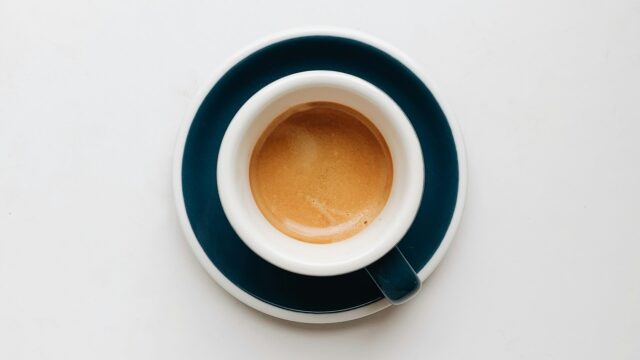
For all the excitement around single origin coffee in the specialty world, the truth is that most coffee consumed worldwide — and most espresso served in cafés — is a blend. Blending is not a compromise or a shortcut to hiding inferior beans. Done well, it is a genuine art form that creates something no single origin can achieve on its own.
What Is a Coffee Blend?
A coffee blend combines beans from two or more origins (or sometimes multiple lots from the same origin) that have been sourced and roasted with the intention of creating a specific, consistent flavor profile. The roaster creates a recipe specifying percentages of each component and adjusts it seasonally to maintain consistency as harvests change.
Common blending strategies:
- Brazilian natural (40–60%) for body and chocolate sweetness + Ethiopian washed (20–30%) for brightness and fruit + Colombian (20–30%) for balance
- A main body component (Brazil or Sumatra) + a brightness component (Kenya or Ethiopia) + a sweetness bridge (Colombia or Guatemala)
Why Do Roasters Blend?
Consistency: Coffee is an agricultural product. A single-origin lot runs out, changes from year to year, and varies between farms. Blending allows roasters to maintain a consistent flavor profile year-round by substituting components as availability changes. This is why your favorite café’s espresso tastes the same in January and July — the blend composition is adjusted behind the scenes.
Balance: Single origins can be extraordinary but polarizing. A Kenyan coffee’s intense blackcurrant acidity is magnificent in pour over but overwhelming in a latte. Blending softens extremes — the Brazilian brings body and sweetness; the Kenyan’s brightness is pleasant rather than aggressive.
Economics: Blends allow roasters to use complementary beans at different price points. Premium single-origin components make up a smaller percentage; reliable, less expensive origins carry volume without compromising quality.
Types of Coffee Blends
Espresso blends: The most carefully designed blends in specialty coffee. Must work well under 9 bars of pressure and stand up to significant amounts of milk. Generally emphasize balance, sweetness, and body over brightness or complexity.
Breakfast blends: Lighter, more approachable blends designed for large-volume morning drinking. Lower acidity, medium body, mild flavor.
Dark roast blends: Designed for deep, bold flavor. Often include Sumatra or Sulawesi for earthiness, Brazilian for body. Less focused on origin transparency.
Seasonal/holiday blends: Roasters often release special blends for fall and winter featuring beans with warmer, spicier flavor notes.
Pre-Roast vs Post-Roast Blending
How and when components are blended affects the result:
Pre-roast blending (blending green beans before roasting) is simpler and cheaper but requires all components to be roasted at the same temperature — a compromise that may not be optimal for each origin’s ideal roast level.
Post-roast blending (roasting each component separately at its ideal profile, then blending) is more labor-intensive and expensive but allows each origin to be roasted perfectly. This is what quality specialty roasters do — roast each component at its optimal profile, then blend to spec.
How to Find a Great Espresso Blend
Look for these qualities when evaluating an espresso blend:
- Origin disclosure (what countries/regions are included)
- Roast date printed on the bag (not “best by” — the actual roast date)
- Post-roast blending (indicates more care in production)
- Flavor notes that suggest balance: chocolate, caramel, or nut as primary notes with some fruit
Some of the most popular and well-regarded espresso blends include Stumptown’s Hair Bender, Counter Culture’s Slow Motion, and Intelligentsia’s Black Cat. For home use, specialty espresso blend coffee beans from quality roasters deliver café-quality results at home. As an Amazon Associate I earn from qualifying purchases.
Frequently Asked Questions About Coffee Blends
Is blended coffee lower quality than single origin?
Not necessarily. The best espresso blends from top roasters are the result of extensive curation and are genuinely excellent. The quality depends on the sourcing and roasting, not whether it is blended.
Can I blend coffee at home?
Yes. Experiment by mixing two single-origin coffees in different ratios. Common starting point: 60% Brazilian natural + 40% Ethiopian washed, brewed as espresso. Blend post-grind for consistency.
Why does my espresso blend taste different from year to year?
Coffee is seasonal. Even well-managed blends shift slightly between crop years as component lots are replaced. Good roasters publish seasonal updates when significant changes occur.
What does “house blend” mean?
The café’s standard espresso blend — the one they use as the default for all espresso drinks unless you ask for something else. Most cafés have one house blend used throughout the day.
Is Starbucks Pike Place a blend?
Yes. Pike Place Roast is a blend of Colombian and Brazilian coffees, roasted to a medium level. It is Starbucks’ standard drip coffee blend available at all locations.
Coffee blends and single origins serve different purposes and neither is superior — they are different tools. For everyday espresso and milk drinks, a well-designed blend often outperforms a single origin. For exploration and maximum flavor complexity in filter coffee, single origin is the path. See our full guide on single origin coffee for the other side of this comparison.