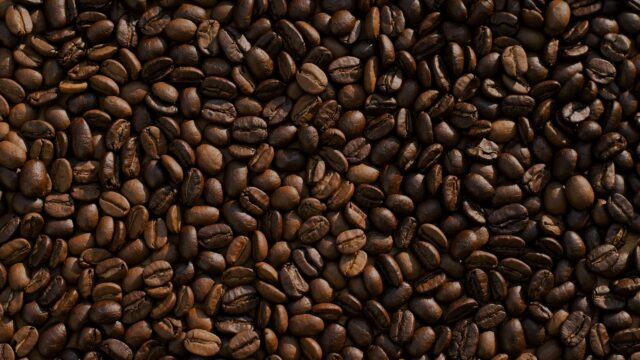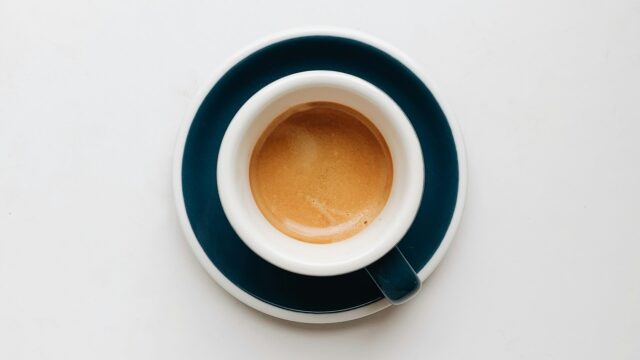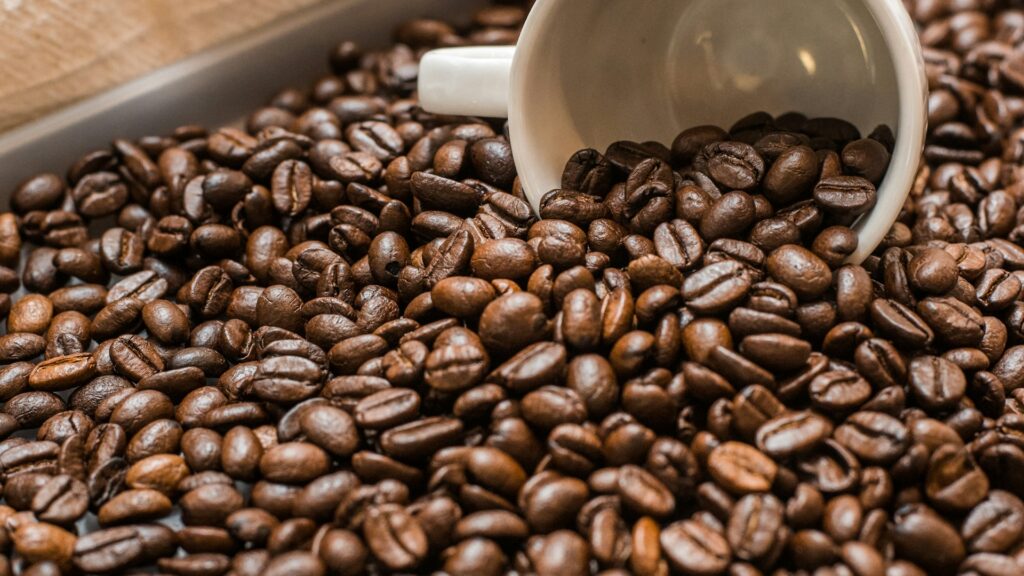
Brazil is the world’s largest coffee producer by an enormous margin — producing roughly 40% of all coffee consumed globally. For perspective: the second-largest producer (Vietnam) produces about half as much, and the third (Colombia) about a quarter. Brazil’s coffee industry is massive, mechanized, and extremely efficient — and despite (or perhaps because of) that scale, it produces some of the world’s most important and delicious coffee.
What Does Brazilian Coffee Taste Like?
Brazilian coffee is known for a specific flavor profile that makes it one of the most valuable components in espresso blends worldwide:
- Chocolate and cocoa: The most consistent and defining flavor note
- Nutty: Peanut, almond, hazelnut — sweet, roasted nuttiness
- Caramel and brown sugar: Natural sweetness that makes it excellent in milk drinks
- Low acidity: Significantly less acidic than Ethiopian or Colombian coffees
- Medium to full body: Satisfying weight on the palate
- Minimal fruit: Unlike East African coffees, Brazilian coffee rarely shows strong fruit characteristics
This profile — chocolatey, nutty, low acid, sweet — is exactly what makes Brazilian beans the backbone of most commercial and specialty espresso blends.
Brazilian Coffee Regions
Minas Gerais: The most important coffee state in Brazil, producing over 50% of the country’s total output. Within Minas, Sul de Minas is the most celebrated zone for specialty coffee — producing the classic Brazilian chocolate and nut profile at its best.
Cerrado Mineiro: Brazil’s first certified coffee origin. The Cerrado plateau produces consistent, bold, chocolatey beans with good body. Very popular in specialty roasting.
Mogiana (São Paulo): Produces slightly lighter, more fruit-forward beans than Minas Gerais — considered a bridge between classic Brazilian and more expressive origins.
Espírito Santo: The largest producer of conilon (robusta) in Brazil. Most Brazilian robusta comes from here and ends up in domestic and commercial blends.
Bahia (Chapada Diamantina): High-elevation region producing more delicate, fruit-forward beans than the Brazilian average — increasingly popular in specialty circles.
Why Brazilian Coffee Is Essential for Espresso
The Brazilian profile — low acid, heavy body, chocolate-nut sweetness — solves specific problems in espresso blending:
- Provides body and sweetness that make the espresso taste “complete”
- Offsets the brightness and acidity of East African or Central American coffees
- Contributes to crema formation at reasonable roast levels
- Produces a forgiving, consistent extraction that holds up well in milk drinks
The majority of commercial espresso blends (including most Italian espresso) use Brazilian beans as the foundation — often 50–70% of the blend — with other origins added for complexity.
Natural Processing and Pulped Natural
Brazil pioneered and popularized natural (dry) processing and pulped natural (semi-washed) methods, which contribute significantly to the chocolate and nut characteristics of its beans.
In natural processing, whole coffee cherries are dried in the sun, and the fruit fermentation adds natural sweetness and complexity to the bean. Brazil’s flat topography and reliable dry harvest season makes large-scale natural processing practical in a way it is not in most coffee-growing countries.
Best Brazilian Coffee to Buy
For everyday use, Brazilian natural-processed medium roast from Cerrado Mineiro or Sul de Minas is an excellent choice. For espresso, look for “Brazil Santos” (a grade designation indicating screen-size quality) or single-farm Brazilian beans. Brazilian natural process specialty coffee is widely available online and delivers that signature chocolate-nut sweetness. As an Amazon Associate I earn from qualifying purchases.
Frequently Asked Questions About Brazilian Coffee
Is Brazilian coffee strong?
It tastes bold due to its chocolatey, low-acid profile, but caffeine content is typical for arabica coffee. Some Brazilian blends include conilon (robusta) which increases caffeine content.
Why is most espresso made with Brazilian beans?
The low acidity, heavy body, and chocolate-nut profile create the espresso “base” that Italian and specialty roasters build on. Brazilian beans provide consistency and sweetness that are hard to replicate from other origins.
What is Santos coffee?
Santos is Brazil’s main coffee export port and has become a grade/quality designation. “Brazil Santos 2/3” refers to screen size (bean size), which correlates with consistency of roast. It does not indicate a specific flavor profile.
Is Brazilian coffee good for French press?
Yes. The heavy body and low acidity of Brazilian coffee translate very well to French press — the oils that pass through the metal filter amplify the chocolatey, nutty character.
Does Brazil produce specialty coffee?
Absolutely. Despite being associated with commodity coffee, Brazil has a thriving specialty scene. Cup of Excellence Brazil winners regularly score above 90 points — on par with Ethiopia’s best.
Brazilian coffee is the world’s most important coffee origin by volume, and understanding it helps explain why most commercial espresso tastes the way it does. For more origin guides, see our articles on Colombian coffee and Sumatra coffee.