If you are monitoring your caffeine intake — for health, sleep, anxiety, or medication reasons — understanding exactly how much caffeine is in different coffee drinks is essential knowledge. The range is enormous: a single espresso shot has about 63mg; a large cold brew from some brands has over 350mg. The difference matters, and the numbers are often not what people expect.
How Much Caffeine Is in Common Coffee Drinks?
| Coffee Drink | Serving Size | Caffeine (mg) |
|---|---|---|
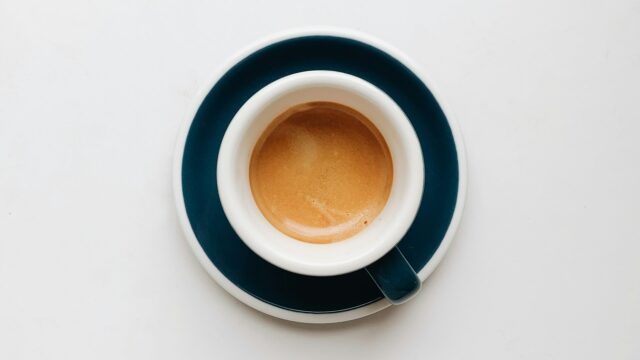
| Single espresso | 1 oz (30ml) | 63mg |
| Double espresso (doppio) | 2 oz (60ml) | 126mg |
| Drip coffee | 8 oz (240ml) | 95–165mg |
| Drip coffee | 12 oz | 140–250mg |
| Latte (double shot) | 12–16 oz | 126mg |
| Cappuccino (double shot) | 8 oz | 126mg |
| Cold brew (12 oz) | 12 oz | 150–280mg |
| French press | 8 oz | 107–140mg |
| Instant coffee | 8 oz | 60–80mg |
| Decaf coffee | 8 oz | 2–15mg |
| Turkish coffee | 3 oz | 50–65mg |
| Nitro cold brew (12 oz) | 12 oz | 215–325mg |
What Affects Caffeine Content?
Coffee species: The biggest variable. Robusta beans contain roughly twice the caffeine of arabica beans (2.7% vs 1.5% caffeine by weight). Most specialty coffee is arabica; commodity and instant coffee often contains robusta.
Roast level: Lighter roasts retain slightly more caffeine. The difference is small — roughly 5–10% more in light roast vs dark roast for the same bean measured by weight. Measured by scoops, dark roast (larger, lighter beans) may appear to have less caffeine.
Brew method: Longer contact time and finer grind extract more caffeine. Cold brew concentrates have very high caffeine because the concentrate ratio (1:4 coffee to water) is so high. Espresso is surprisingly low per serving because the serving size is tiny.
Amount of coffee: The most controllable variable. Using more coffee grounds always increases caffeine, regardless of method.
Bean variety: Within arabica, different cultivars vary in caffeine content. Ethiopian heirloom varieties tend toward the lower end; Kenyan and Colombian SL28 varieties toward the higher end.
Starbucks Caffeine: What You Are Actually Drinking
| Starbucks Drink | Size | Caffeine |
|---|---|---|
| Pike Place Drip | Tall (12 oz) | 235mg |
| Pike Place Drip | Grande (16 oz) | 310mg |
| Blonde Roast Drip | Grande (16 oz) | 360mg |
| Espresso (single shot) | Solo (1 oz) | 75mg |
| Latte (doppio base) | Grande | 150mg |
| Nitro Cold Brew | Grande (16 oz) | 280mg |
| Cold Brew | Venti (24 oz) | 310mg |
How Much Caffeine Is Safe Per Day?
The FDA defines up to 400mg of caffeine per day as generally safe for healthy adults. That is approximately:
- 4 cups of standard drip coffee
- 5–6 double espresso shots
- 2–3 large cold brews from major brands
Pregnant women are advised to limit caffeine to 200mg/day. People with heart conditions, anxiety disorders, or caffeine sensitivity should consult a doctor for personalized guidance.
Frequently Asked Questions About Caffeine in Coffee
Does dark roast have more caffeine?
No — by weight, light roast has slightly more caffeine. By volume (scoops), the difference is minimal. The common belief that “stronger tasting” dark roast has more caffeine is incorrect.
Does espresso have more caffeine than coffee?
Espresso has more caffeine per ounce (63mg/oz vs ~12mg/oz for drip). But a single espresso shot (1 oz) has less total caffeine than a full cup of drip coffee (8 oz). It depends entirely on how much you drink.
How long does caffeine last in your body?
The half-life of caffeine in a healthy adult is approximately 5–7 hours. A 200mg coffee at 2 PM still leaves about 100mg in your system at 7–9 PM — which is why afternoon coffee disrupts sleep for many people.
Does decaf coffee have zero caffeine?
No. Decaf coffee typically contains 2–15mg of caffeine per cup — the decaffeination process removes 97–99% of caffeine, not all of it. For people who are highly caffeine-sensitive, even decaf can cause effects.
Which has more caffeine — coffee or energy drinks?
A standard energy drink (Red Bull, Monster) contains 80–160mg of caffeine. A large drip coffee or cold brew can exceed 300mg. Coffee frequently has more caffeine than energy drinks, depending on the drink and size.
Understanding caffeine content helps you make informed decisions about when to drink coffee and how much. For the relationship between caffeine and sleep, see our guide on coffee and sleep. For health benefits, see coffee health benefits.