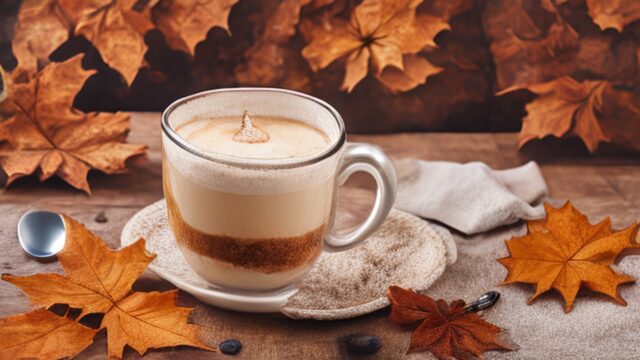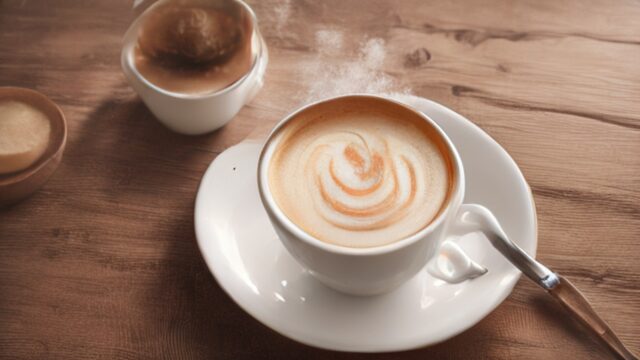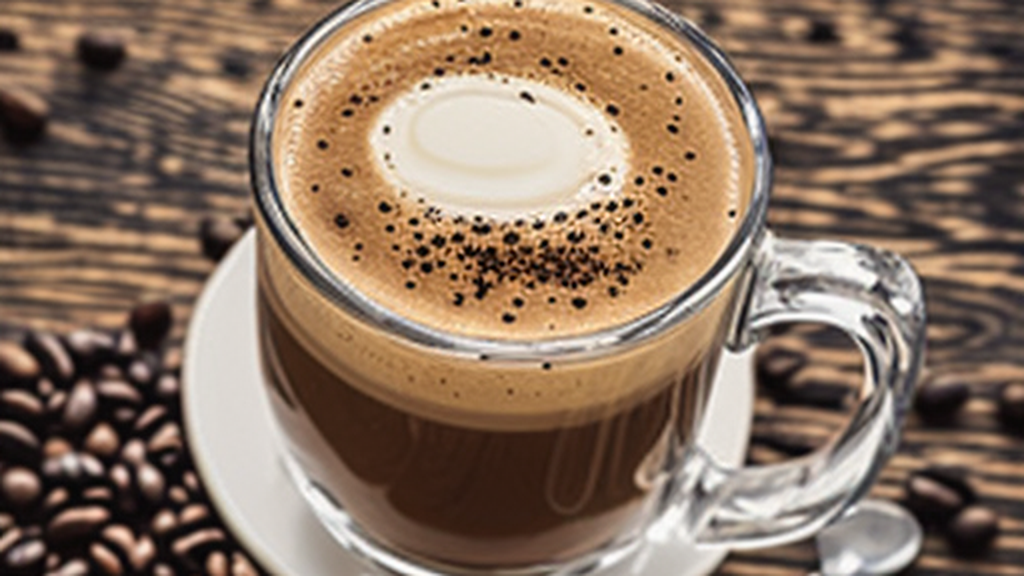
The Spanish latte has become one of the most searched coffee drinks online, and for good reason — it takes the familiar latte and adds one ingredient that changes everything: sweetened condensed milk. The result is richer, sweeter, and silkier than a standard latte, without needing flavored syrups to get there.
What is a Spanish latte?
A Spanish latte (sometimes called a café con leche condensada) combines espresso, steamed milk, and sweetened condensed milk in place of regular sugar. The condensed milk does double duty — it sweetens the drink and adds body and richness that regular milk and sugar can’t replicate on their own. Despite the name, it isn’t a traditional drink from Spain specifically; it’s more accurately linked to Spanish and Latin American café con leche traditions where condensed milk is a common sweetener, and the “Spanish latte” name has stuck in English-speaking cafés and on social media.
How it’s different from a regular latte
A standard latte is espresso and steamed milk with no added sweetener — any sweetness comes from what you stir in yourself. A Spanish latte builds the sweetness in from the start, using condensed milk’s concentrated sugar and dairy solids to create a noticeably thicker, dessert-like drink. It’s closer in spirit to a latte crossed with Vietnamese-style coffee than to a typical American coffeehouse drink.
How to make a hot Spanish latte
- Spoon 1–2 tablespoons of sweetened condensed milk into the bottom of your mug.
- Pull a double shot of espresso (about 2 oz) — a moka pot or strong AeroPress shot works as a substitute if you don’t have an espresso machine; see our no-machine latte guide for the exact method.
- Pour the hot espresso directly over the condensed milk and stir until fully combined.
- Steam or froth 6–8 oz of milk to around 140–150°F with a light layer of microfoam.
- Pour the steamed milk into the espresso and condensed milk mixture, finishing with a bit of foam on top.
How to make an iced Spanish latte
Spoon condensed milk into a glass, pour hot espresso over it and stir well while it’s still hot (condensed milk dissolves far more easily into hot liquid than cold). Fill the glass with ice, then pour cold milk over the top and stir. The layered look — dark espresso and condensed milk at the bottom, milk on top — is part of the drink’s visual appeal before you mix it together.
Getting the ratio right
A good starting ratio is 1 tablespoon of condensed milk per shot of espresso, adjusted to taste. Because condensed milk is significantly sweeter than regular sugar by volume, start light — you can always add more, but it’s hard to correct an overly sweet cup once it’s mixed. If you like your coffee less sweet, try 2 teaspoons instead of a full tablespoon per shot.
No espresso machine? No problem
You don’t need an espresso machine to make a Spanish latte at home. A moka pot produces a concentrated shot close enough to espresso for this drink, and an AeroPress brewed with a fine grind and small water volume gets you most of the way there too. What matters more than the exact brewing method is using a small volume of strong, concentrated coffee rather than diluted drip coffee, which won’t hold up against the condensed milk.
Variations worth trying
- Iced Spanish latte with vanilla — a few drops of vanilla extract stirred in with the condensed milk.
- Spanish mocha — add a tablespoon of chocolate syrup alongside the condensed milk for a dessert-like variation.
- Cinnamon Spanish latte — a pinch of ground cinnamon stirred into the condensed milk before adding espresso.
Where the Spanish latte trend came from
Despite its name, the Spanish latte’s recent popularity owes more to social media than to Spain specifically. Condensed milk coffee drinks have deep roots across Spanish, Cuban, Vietnamese, and Filipino coffee traditions, all developed independently as ways to sweeten and enrich coffee in places where fresh milk was historically less available or shelf-stable dairy was more practical. The specific “Spanish latte” name and format popularized online in the past several years is best understood as a modern remix of those older condensed-milk coffee traditions rather than a drink with one single, singular origin.
Making it your own
Once you’re comfortable with the base recipe, the condensed milk ratio becomes your main lever for customization. A generous pour makes it dessert-sweet, closer to a coffee milkshake; a light drizzle makes it barely sweeter than a regular latte, letting the espresso lead. Try swapping in brown sugar condensed milk (dulce de leche) for a deeper caramel note, or use half condensed milk and half evaporated milk if you want richness without quite as much sugar — a small tweak that keeps the silky texture while dialing back sweetness.
Pairing a Spanish latte with food
Because of its sweetness and richness, a Spanish latte pairs best with something plain or slightly salty rather than another sweet item — think a buttery croissant, plain toast, or a savory breakfast sandwich. Pairing it with an already-sweet pastry can quickly feel like too much sugar in one sitting. If you’re serving it after a meal instead of with breakfast, treat it more like a light dessert on its own, since the condensed milk already gives it a dessert-like richness that doesn’t need much alongside it.
Frequently asked questions
Is a Spanish latte the same as a café con leche?
Not exactly. Café con leche is simply coffee with steamed or hot milk, without condensed milk. The Spanish latte’s defining ingredient — sweetened condensed milk — is what sets it apart.
How many calories does a Spanish latte have?
More than a regular latte, mainly due to the condensed milk. A typical 12 oz Spanish latte runs around 200–250 calories depending on how much condensed milk and whole milk you use, compared to roughly 150 for a standard latte.
Can I make a dairy-free Spanish latte?
Yes — sweetened condensed coconut milk is available and works as a substitute, paired with your preferred dairy-free milk for steaming.