Bulletproof coffee — butter in your coffee — sounds like a bad idea the first time you hear it. But it has been one of the most-searched coffee terms for over a decade, adopted by keto dieters, intermittent fasters, biohackers, and regular people who just find they function better on it.
So does it work? And how do you actually make it? Here’s the complete guide.
What Is Bulletproof Coffee?
Bulletproof coffee is a trademarked product and concept created by Dave Asprey, who popularized it after experiencing high-fat yak butter tea in Tibet. The official Bulletproof recipe calls for:
- Bulletproof Coffee beans (low-mycotoxin, their proprietary brand)
- Grass-fed, unsalted butter or ghee
- Brain Octane Oil (a specific MCT oil product, also Bulletproof-branded)
The generic version — often called butter coffee or keto coffee — uses any quality coffee, grass-fed butter, and standard MCT oil. The results are similar at a fraction of the cost.
Bulletproof Coffee Recipe
Standard Bulletproof Coffee (Makes 1 serving)
Ingredients:
- 8–12 oz freshly brewed strong coffee
- 1–2 tablespoons grass-fed unsalted butter (Kerrygold is widely available)
- 1 tablespoon MCT oil (start with 1 tsp if you’re new to MCT)
- Optional: pinch of cinnamon, vanilla extract, or collagen peptides
Instructions:
- Brew your coffee strong. Use a French press, moka pot, or AeroPress for full-bodied coffee that holds up to fat. Weak drip coffee gets lost. See our French press guide for the best technique.
- Add to a blender. Pour the hot coffee into a high-powered blender. Add butter and MCT oil.
- Blend for 20–30 seconds. This is non-negotiable — blending emulsifies the fat into the coffee, creating a creamy, latte-like texture. Stirring with a spoon just gives you a grease slick on top.
- Pour and drink immediately. The emulsion separates after about 5 minutes.
Start low on the MCT oil. MCT oil is rapidly absorbed and can cause significant digestive distress if you jump straight to a full tablespoon. Start with 1 teaspoon and increase over 2–3 weeks.
What Does Bulletproof Coffee Taste Like?
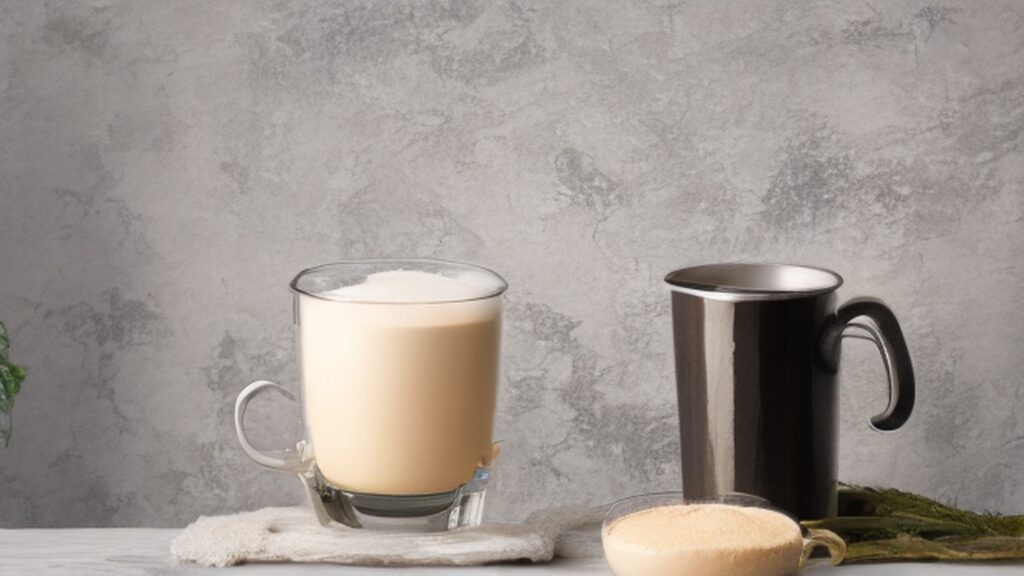
Creamy, rich, and surprisingly good. The blending process transforms the butter and oil into a frothy, almost cappuccino-like emulsion. The fat rounds out the bitterness of the coffee and adds body. If you’ve ever had a well-made cappuccino, the texture is comparable — though the flavor profile is different.
The Evidence: What Does Bulletproof Coffee Actually Do?
Satiety and Appetite Suppression
This is the strongest claim and the most supported. Dietary fat delays gastric emptying, keeping you full longer. MCT oil in particular has shown stronger satiety effects than longer-chain fats in multiple studies. For people practicing intermittent fasting who struggle with morning hunger, bulletproof coffee can extend the fasting window with minimal hunger.
Ketone Production
MCT oil is converted to ketones in the liver faster than other fats. If you’re in a fasted state, drinking bulletproof coffee can kick-start mild ketosis or deepen existing ketosis. For strict keto diets, this is meaningful. For people on a standard diet, it’s a modest effect.
Cognitive Performance
Dave Asprey’s core claim is enhanced mental clarity. The evidence here is mixed. Ketones can serve as an alternative brain fuel and some people subjectively report sharper morning focus. But controlled trials on cognitive performance are limited and results vary significantly by individual.
Weight Loss
Bulletproof coffee is not a weight loss tool on its own. A serving contains 250–350 calories from fat. Used as a meal replacement (which is how it’s intended in the Bulletproof protocol), total caloric intake may decrease due to its satiety effect. Used as an addition to breakfast, it adds significant calories.
Who Is Bulletproof Coffee For?
Good fit:
- People doing intermittent fasting who want to extend their fasting window without hunger
- People on ketogenic diets needing a high-fat, low-carb breakfast
- Anyone who doesn’t tolerate breakfast well but needs morning energy
- People who get jittery on coffee on an empty stomach — the fat slows caffeine absorption
Not a good fit:
- People with high LDL cholesterol (saturated fat from butter may raise LDL further)
- Anyone eating a balanced breakfast — this replaces, doesn’t supplement, morning nutrition
- People with digestive sensitivity to fat
Butter vs. Ghee in Bulletproof Coffee
Both work. Ghee (clarified butter with milk solids removed) is dairy-free and has a slightly higher smoke point, though that doesn’t matter for coffee. Ghee has a nuttier, richer flavor. Butter gives a creamier, milder result. If you’re lactose intolerant, use ghee.
Whatever you choose: grass-fed matters more than people realize. Grass-fed butter (Kerrygold, Anchor) has a better omega-3 to omega-6 ratio and higher conjugated linoleic acid (CLA) content compared to standard butter. It also tastes better in coffee.
What Coffee Works Best for Bulletproof?
Any quality, strongly brewed coffee works. Dave Asprey insists on low-mycotoxin beans — this is a real concern (coffee can contain trace mycotoxins from improper storage and processing) but heavily overstated at typical consumer coffee quality levels.
For the best result: use freshly ground beans, brew strong, and choose a medium-dark roast. The fat carries and amplifies coffee flavor, so fresh beans make a bigger difference here than in regular black coffee.
☕ Get the ingredients for bulletproof coffee
Shop MCT Oil & Grass-Fed Butter on Amazon →
As an Amazon Associate, Daily Espresso earns from qualifying purchases at no extra cost to you.
Frequently Asked Questions
Does bulletproof coffee break a fast?
Technically yes — it contains calories. But it won’t spike insulin the way carbohydrates do, and it may preserve many of the metabolic benefits of fasting (fat burning, ketone production). Most intermittent fasting protocols consider it acceptable if the goal is metabolic health rather than strict caloric restriction.
Can I make bulletproof coffee without a blender?
A milk frother works reasonably well — blend in a jar or cup for 30–45 seconds. A standard spoon does not work; the fat won’t emulsify. If you travel frequently, a handheld frother is the easiest solution.
How many calories are in bulletproof coffee?
Approximately 230–350 calories per serving, depending on how much butter and MCT oil you use. This is why it’s designed to replace a meal, not accompany one.
Is bulletproof coffee keto?
Yes. Zero net carbs, high fat, moderate protein (if you add collagen). It fits keto macros exactly.
Can I add sweetener to bulletproof coffee?
Yes, though it somewhat defeats the metabolic purpose. If you add sugar, you’ll spike insulin and reduce ketone production. Stevia and erythritol are the most commonly used zero-calorie sweeteners that don’t spike insulin — both work well in the creamy base.